Trade Investment
India
India''s Urea Tender: A Strategic Move Amid Global Fertilizer Supply Chain
India's state-run Rashtriya Chemicals and Fertilizers has issued a tender
South Asia Pulse AnalystRegional Market Desk
Apr 8, 2026
6 min read
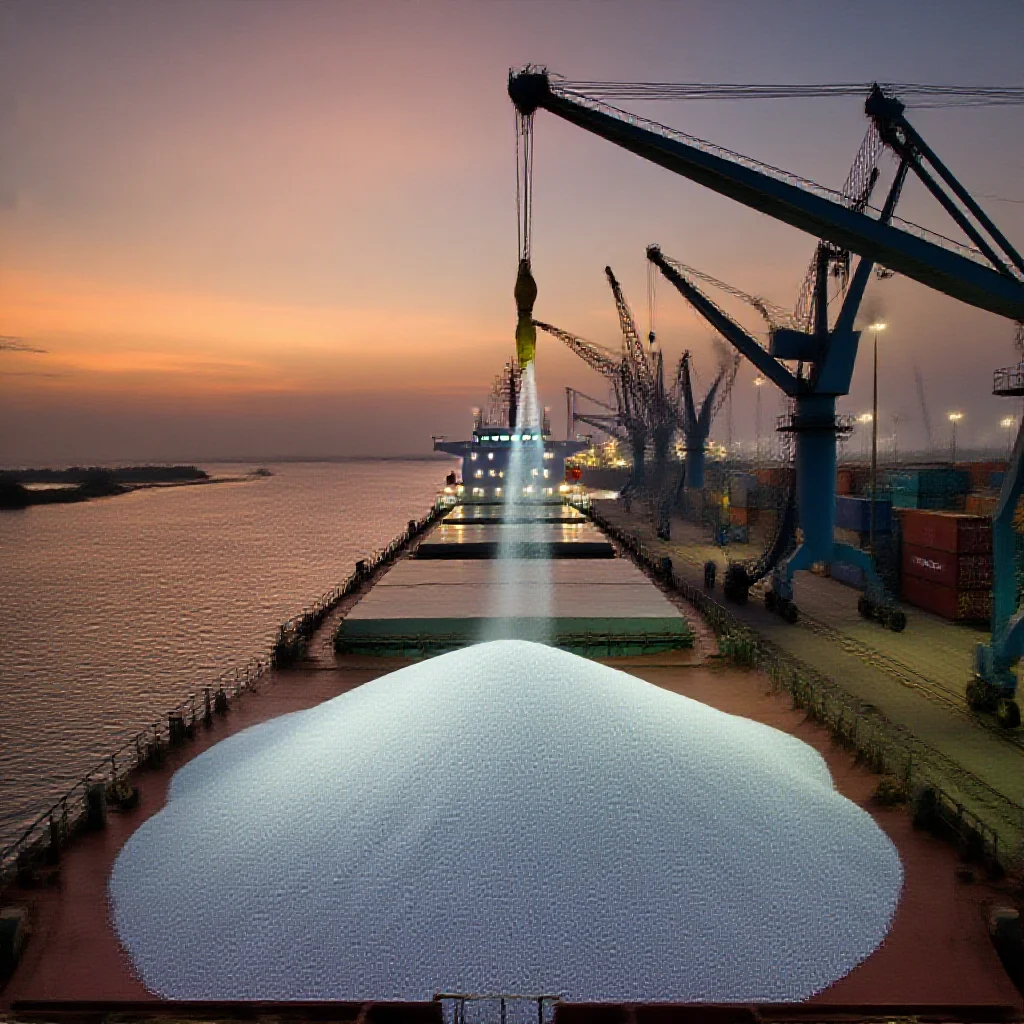
India's Urea Tender: A Strategic Move Amid Global Fertilizer Supply Chain Disruption
Opening Factual Summary
On May 21, a tender issued by the state-run Rashtriya Chemicals and Fertilizers (RCF) will close, seeking procurement of 500,000 tonnes of urea. The shipment deadline for this volume is set for June 30. This action by a key global fertilizer buyer is a direct operational response to confirmed disruptions in supply chains originating from conflict-affected production regions. The tender’s parameters—its scale, issuing entity, and tight delivery window—serve as primary data points for analyzing current pressures on agricultural input security.
The Tender in Context: India's Urgent Bid for Food Security
The 500,000-tonne volume, coupled with a June 30 shipment deadline, is strategically aligned with the imminent Kharif (monsoon) cropping season. This season accounts for a significant portion of India’s annual food grain production, making timely urea availability critical for planting and early growth phases. As a consistent key buyer in global markets, India’s procurement patterns exert measurable influence on spot pricing and vessel availability. The role of RCF, a government-owned entity, in issuing this tender underscores a policy of direct state intervention to buffer domestic agriculture from volatile international markets. This mechanism is designed to secure a baseline supply of critical inputs where purely commercial channels may fail under systemic stress.Beyond the Headlines: The Deep-Rooted Supply Chain Fracture
The tender document’s context references supply hits from key producing regions, a direct consequence of geopolitical conflict. The disruption is specific and multi-faceted: it encompasses the blockade of potash exports from Belarus and Russia via the Black Sea, and the constriction of natural gas feedstock—critical for ammonia and urea production—in Europe. The domino effect is quantifiable. Reduced global fertilizer availability and elevated natural gas prices have translated into sustained high costs for nitrogen-based fertilizers. According to the World Bank’s Fertilizer Price Index, while prices have retreated from 2022 peaks, they remain significantly elevated above historical averages, directly increasing production costs for staple crops. (Source 1: World Bank Commodity Markets Outlook, April 2024). This cost pressure feeds into broader domestic inflationary trends, creating a direct link between geopolitical events, input costs, and food price stability.A Stopgap or a Strategic Shift? Analyzing India's Long-Term Vulnerabilities
This urgent procurement highlights a persistent structural vulnerability: despite the long-standing policy goal of Atmanirbhar Bharat (self-reliant India) in fertilizers, import dependency for urea remains substantial. The immediate risk is operational. Should shipments be delayed beyond the narrow Kharif planting window, yield potential for the season could be compromised, posing a tangible threat to food security. The deeper analysis, however, concerns strategic direction. This recurring exposure to global supply shocks presents a logical case for accelerated investment in two parallel tracks: enhancing domestic production capacity based on diversified feedstocks (including green ammonia), and nationwide adoption of more efficient fertilizer application technologies. The efficiency gap between modern, precision application methods and traditional broadcasting is significant; closing it would reduce the volume of imported urea required per unit of agricultural output, building resilience.The Global Ripple Effect: What India's Move Means for Other Nations
India’s tender is not an isolated event but a signal in a interconnected market. A purchase of this scale, with a tight delivery deadline, can tighten near-term supply for other importers, potentially pricing out smaller nations with less purchasing power or credit access. This pattern incentivizes similar strategic buying by other major agricultural economies. Recent months have seen Brazil, another fertilizer import giant, actively managing its stockpiles through advance purchases, while the United States monitors its domestic production and import balances closely. The collective response of major importers—advance tendering, strategic reserves, and long-term supply agreements—is becoming a defining feature of the current fertilizer market, moving it away from pure just-in-time procurement toward a more security-oriented model.Conclusion: Navigating a Fertilizer-Limited Future
The RCF tender is a symptom of a broader, systemic fragility in global agri-input supply chains exposed by geopolitical conflict. The key takeaway is the existence of a dual imperative: major economies like India must execute precise, timely procurement to address immediate seasonal needs while simultaneously de-risking their long-term position through investment in domestic production and demand-side efficiency. The outcome of the May 21 tender—the prices realized and the volume secured—will provide a crucial verification point for the current cost of this stopgap strategy. The trend indicates that strategic stockpiling and supply chain diversification are transitioning from contingency plans to core components of national agricultural policy. The market is adjusting to a new equilibrium where security of supply carries a premium over lowest-cost procurement.Article Keywords
India fertilizer tender
urea procurement
global fertilizer supply chain
Rashtriya Chemicals and Fertilizers
agricultural inputs
geopolitical supply disruption