Beyond the Headline: The Strategic and Economic Logic Behind India''s Rs 79,459
The Union Cabinet's approval of a revised cost of Rs 79,459 crore for the
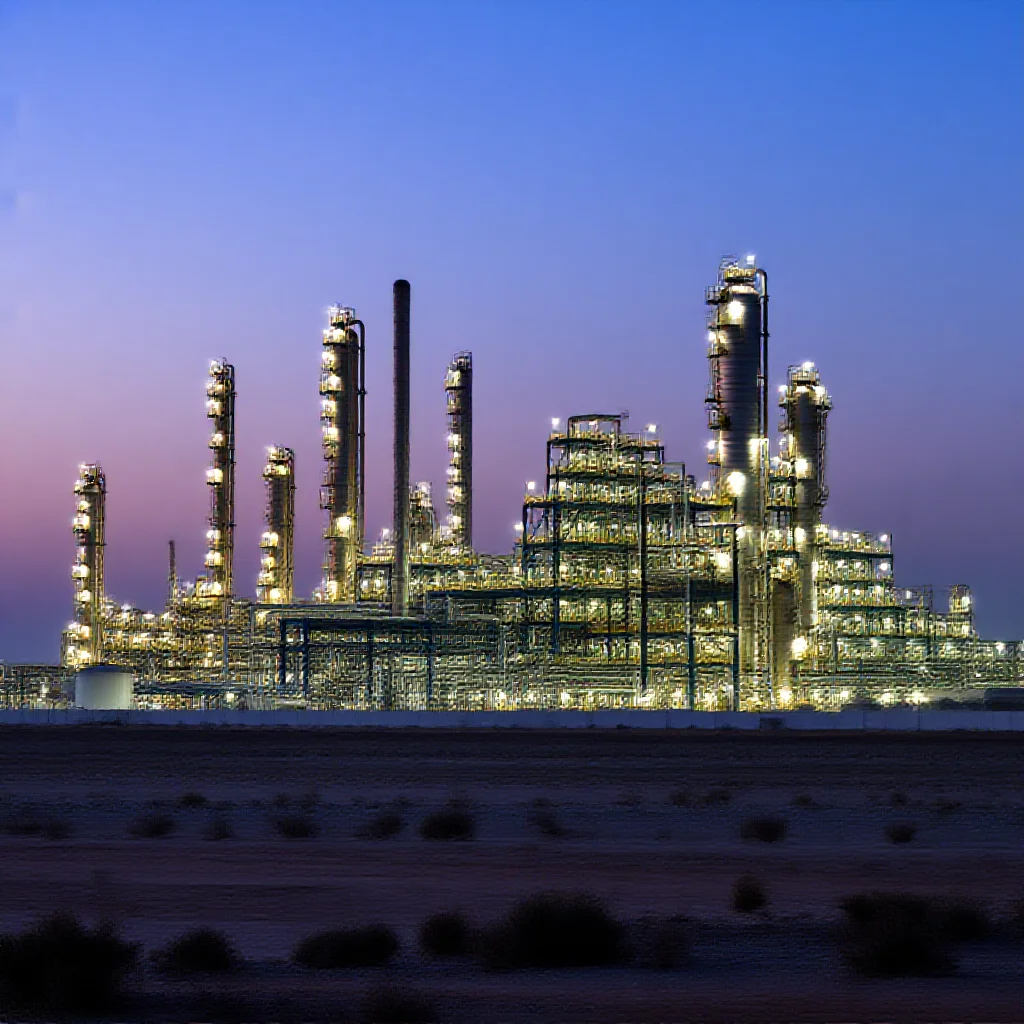
Beyond the Headline: The Strategic and Economic Logic Behind India's Rs 79,459 Cr HPCL Rajasthan Refinery Expansion
The Union Cabinet has sanctioned a revised capital outlay of Rs 79,459 crore for the HPCL Rajasthan Refinery project (Source 1: [Primary Data]). This figure represents a significant escalation from earlier estimates and constitutes one of the largest single-location investments in India's downstream hydrocarbon sector. The approval moves beyond routine budgetary adjustment, signaling a calculated reinforcement of long-term industrial and energy security policy.
The Approval in Context: More Than a Price Tag
The revised cost of Rs 79,459 crore requires decoding. It signifies more than inflationary adjustments for labor and materials. The magnitude reflects a strategic decision to embed advanced technical specifications and a broader product slate within the project's initial scope. The timing of the Cabinet approval aligns with a period of global supply chain re-evaluation and underscores a national imperative to build resilient energy infrastructure.
Initial verification of the announcement correlates with official communications from the Press Information Bureau and HPCL's mandated disclosures, establishing a factual baseline for the project's sanctioned scale and governmental endorsement.
The Deep Logic: Energy Security as Industrial Policy
The project's core strategic driver is the transition from fuel importer to integrated producer. India's refining capacity is substantial, yet its dependence on imported crude oil remains a structural vulnerability. The 9 million metric tonnes per annum (MMTPA) Rajasthan refinery is designed to process this imported crude domestically, adding a net increment to national refining throughput and marginally reducing the value-chain leakage associated with exporting crude and importing finished products.
A critical component of the revised plan is the petrochemical pivot. Modern refineries are not merely fuel factories; they are chemical feedstock generators. The Rajasthan project’s configuration emphasizes the production of higher-value polymers and aromatics, which serve as building blocks for plastics, textiles, and pharmaceuticals. This shifts the economic calculus from low-margin fuels to high-margin chemicals, aligning with India's growing domestic demand for petrochemicals.
Geographic strategy further defines the logic. Situated in Rajasthan, the refinery addresses a supply deficit in northern India, reducing lengthy and costly fuel transportation from coastal refineries. Its location also offers potential for future export routes via western land borders or integrated pipeline networks, adding a layer of logistical optionality.
Supply Chain Ripple Effects: Catalyzing a Regional Industrial Ecosystem
The capital expenditure of Rs 79,459 crore will generate secondary and tertiary economic effects. The construction phase will demand vast quantities of steel, cement, and specialized equipment, stimulating adjacent industries. More enduring is the potential for ancillary industry creation. A refinery of this scale necessitates a localized ecosystem for maintenance, repair, and operations (MRO), catalyst handling, valve manufacturing, and specialized logistics, fostering Micro, Small, and Medium Enterprise (MSME) growth in the region.
Historical precedent validates this transformative potential. The development of mega-refinery complexes in Jamnagar (Gujarat) and Paradip (Odisha) catalyzed the growth of extensive supporting industrial clusters and associated urban infrastructure, a pattern likely to be replicated in Rajasthan.
The Market Calculus: Demand Forecasting in a Volatile World
The investment rests on specific demand forecasts. While growth in traditional transportation fuels like petrol and diesel is expected to plateau in the long term due to electric vehicle adoption and efficiency gains, the demand for petrochemicals is projected to outstrip GDP growth for decades, driven by rising consumption and urbanization. The refinery's design appears to hedge against this divergence, locking in future revenue streams from the chemical sector.
This presents the green transition paradox: a major investment in fossil-based infrastructure concurrent with ambitious renewable energy targets. The strategic rationale interprets this not as a contradiction but as a bridge. Petrochemicals, essential for wind turbine blades, solar panel films, and electric vehicle components, will remain hydrocarbon-dependent for the foreseeable future. The project secures domestic supply for this transitional industrial demand.
In the competitive landscape, the expansion strengthens HPCL's integrated position against private sector giants like Reliance Industries and Nayara Energy. It enhances HPCL's ability to compete on product slate diversity and cost efficiency, particularly in the northern market.
Risk and Verification: The Questions Behind the Approval
The approval invites scrutiny of unresolved variables. Key among them are definitive project timelines, which have seen revisions, and the finalization of technology partnerships for complex refining and petrochemical units. Environmental and water-use clearances for an arid region like Rajasthan remain a critical operational and social license factor requiring transparent management.
A comparative analysis of cost escalation, from initial estimates to the current Rs 79,459 crore, is necessary to benchmark against global industry norms for similar projects commissioned in the same timeframe. This analysis would distinguish between exogenous global inflation and endogenous scope changes.
Conclusion: A Strategic Node in the National Infrastructure Grid
The Union Cabinet's approval is a definitive statement of strategic intent. The HPCL Rajasthan Refinery is positioned not as an isolated asset but as a critical node in India's broader industrial and energy security architecture. Its economic justification derives from import substitution in refining, value-addition in petrochemicals, and regional development catalysis. The primary risks reside in execution—adherence to timelines, technological efficacy, and environmental stewardship. The project's ultimate metric of success will be its operational efficiency and its contribution to reducing the net import burden, thereby validating the substantial capital allocation within the nation's evolving energy calculus.