Beyond the IT Upgrade: The Strategic Business Calculus of ERP Modernization
ERP modernization is a critical strategic inflection point, not a routine
Beyond the IT Upgrade: The Strategic Business Calculus of ERP Modernization
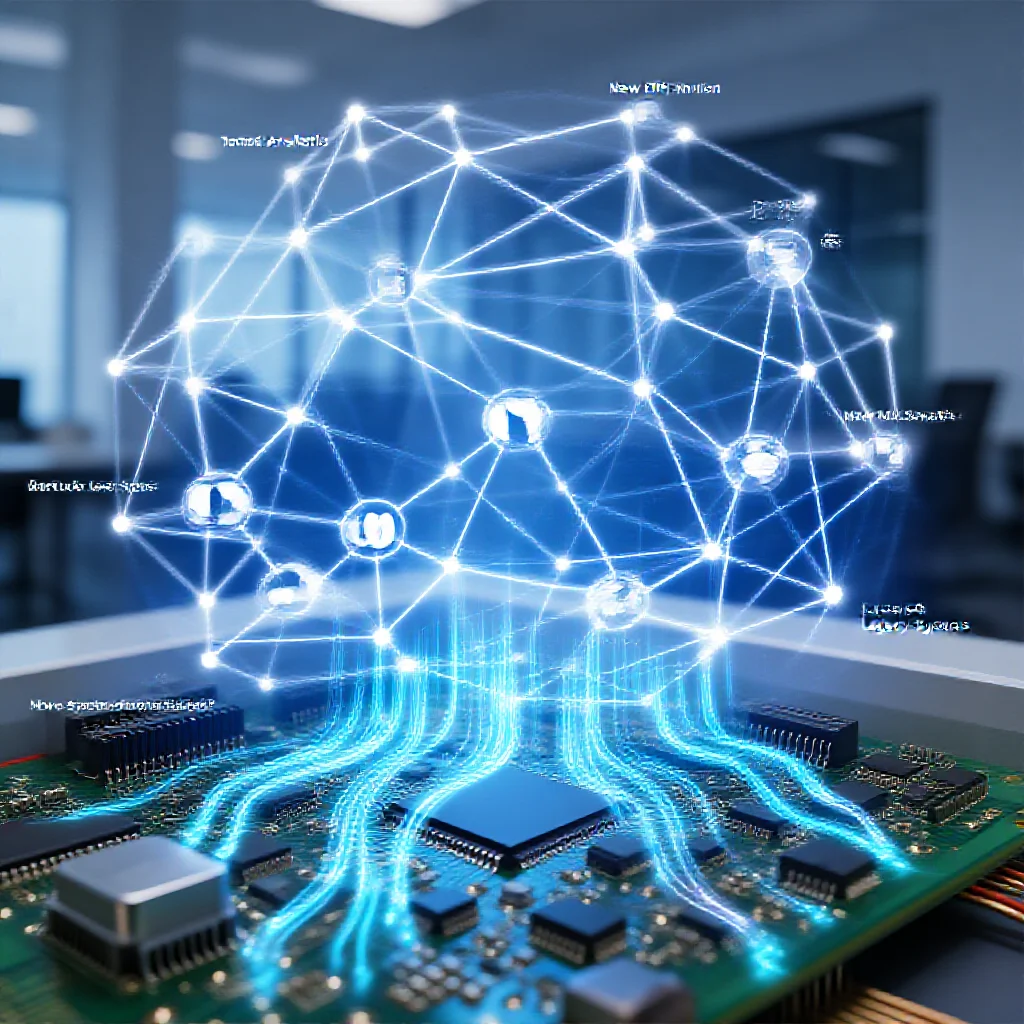
Summary: Enterprise Resource Planning (ERP) modernization represents a critical strategic inflection point, not a routine IT refresh. The decision calculus has shifted from technical necessity to a fundamental reassessment of how data creates competitive advantage. While legacy systems represent mounting operational risk, the transition to cloud-based, AI-enabled platforms is a strategic bet on future agility and insight. This analysis examines the liability of legacy systems, the architecture of modern platforms, the dominance of the hybrid transition model, and the evolution of required executive sponsorship. The core proposition is that modernizing ERP is less about replacing software and more about reprogramming the company's central nervous system for a data-driven era.
---
The Ticking Clock: Why Legacy ERP is a Strategic Liability, Not an Asset
The operational stability provided by a decades-old ERP system often fosters a dangerous "if it ain't broke" mentality. This perspective misclassifies a legacy system as a durable asset when it has become a compounding liability. The hidden costs are multidimensional. Agility is constrained by rigid, code-heavy architectures that cannot adapt to new business models or market demands at competitive speeds. Security vulnerabilities proliferate in unsupported software, creating significant financial and reputational exposure (Source 1: [Industry Standard Security Assessments]). Furthermore, the talent pool capable of maintaining archaic technology shrinks annually, creating a critical dependency risk.
The role of ERP has fundamentally shifted from a system of record to a system of intelligence. In the digital economy, the value is not in storing transactional data but in synthesizing it into actionable insight. Legacy systems, designed primarily for consistency and control, inherently create data silos and batch-processing delays. This architectural reality imposes a quantifiable competitive disadvantage. The opportunity cost is measured in the latency of decision-making: where competitors with modern platforms act on integrated, real-time data, organizations with legacy ERP are forced to rely on fragmented, historical reports.
The Modern ERP Blueprint: Cloud, Modularity, and Embedded Intelligence
The contemporary ERP architecture is defined by three interconnected principles: cloud delivery, modular composition, and embedded intelligence. The cloud operational model transforms the financial calculus, shifting investment from large, upfront capital expenditure (capex) to a predictable operational expenditure (opex). This provides scalable infrastructure that elastically aligns with business growth or contraction, a flexibility absent in on-premise deployments.
Modularity decouples the ERP monolith. Modern platforms allow organizations to adopt best-of-breed, cloud-native applications for specific functions—such as human capital management or supply chain logistics—while maintaining integration through the core financials engine. This approach prevents vendor lock-in for non-core processes and enables continuous, incremental innovation at the component level. The expectation now extends beyond transaction processing to include predictive analytics and automated decision support as native features. Artificial intelligence and machine learning are not peripheral additions but core capabilities, designed to surface insights and recommend actions directly within operational workflows.
The Hybrid Bridge: A Risk-Averse Path to Radical Change
The historical high failure rate of "big bang" ERP replacements has solidified the hybrid, phased approach as the dominant risk-mitigation strategy. A single cutover event presents excessive operational risk and cultural shock, often leading to business disruption and project abandonment. The parallel-run strategy, where legacy and new systems operate simultaneously for a defined period, has emerged as the pragmatic alternative.
This method allows for rigorous validation of data migration integrity, comprehensive user training in a live-but-safe environment, and the gradual building of organizational confidence in the new platform. However, it introduces the managerial challenge of duality. Maintaining two systems requires clear governance, disciplined data synchronization protocols, and a meticulously planned sunset timeline for the legacy environment. The hybrid bridge is not a permanent state but a controlled, evidence-based transition designed to de-risk a fundamentally radical change.
The Human Core: Executive Sponsorship as Strategic Advocacy
The success of ERP modernization is predicated on the evolution of executive sponsorship from passive funding approval to active strategic advocacy. The Chief Executive Officer or Chief Financial Officer must frame the initiative explicitly as a business transformation program, not an IT infrastructure project. Their role shifts from check-signer to chief evangelist, consistently aligning the modernization narrative with the corporation's overarching strategic objectives.
This requires the early formation of a cross-functional "fusion team." This team integrates business process owners, who understand operational nuances; IT architects, who ensure technical viability; and change management specialists, who orchestrate adoption. The primary communication task is articulating the "why": connecting the technical upgrade to tangible business outcomes like improved decision velocity, enhanced customer experience, or entry into new markets. Without this sustained, strategic-level advocacy, the initiative will be perceived as a discretionary IT cost, vulnerable to budgetary reallocation.
Conclusion: The Long-Term Organizational Impact
The culmination of a successful ERP modernization extends beyond software implementation. It exerts a hidden, long-term impact on organizational structure and decision-making velocity. Integrated, real-time data flows break down traditional departmental silos, necessitating more collaborative operating models. The availability of predictive insights can redistribute decision rights, empowering frontline managers with previously centralized information.
Market trajectory analysis indicates that the modernization wave will accelerate as the performance gap between legacy and intelligent platforms widens. Organizations that delay will face not only higher direct costs in security, compliance, and maintenance but also an irreversible deficit in strategic agility. The strategic calculus is clear: the modernization of the enterprise's central nervous system is no longer an option for future consideration but a definitive determinant of competitive viability in a data-driven era.