Decarbonization Pathways: Renewable Energy Economics and Supply Chain Costs in South Asia
An analysis of the shifting economics of renewable power, supply chain cost drivers, and policy implications for energy transition in South Asia.
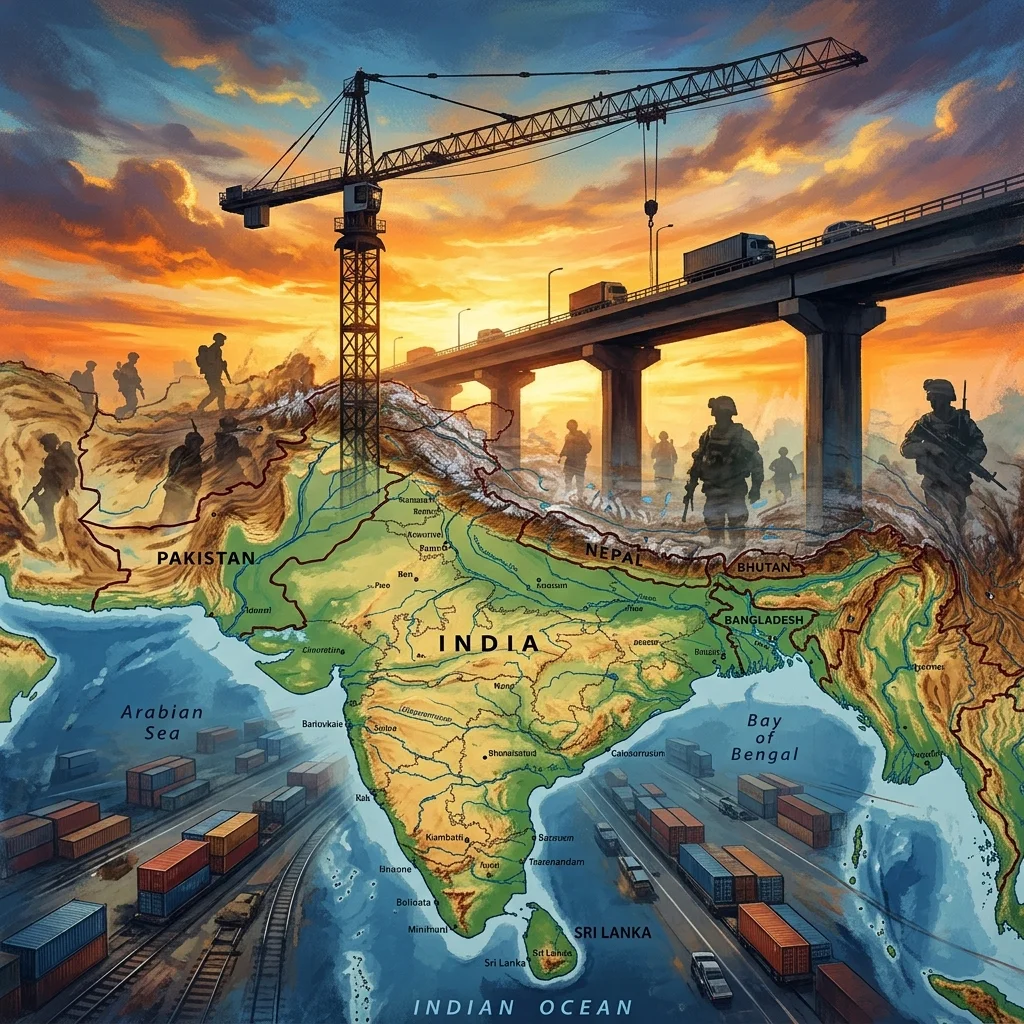
The economics of renewable power generation are entering a new phase, marked by the maturation of technologies like solar photovoltaic (PV) and onshore wind. While costs continue to decline, the focus is shifting from merely achieving low generation costs to ensuring reliable, continuous energy supply, which necessitates integrating energy storage and hybrid systems. This transition is crucial for South Asia, a region heavily reliant on traditional energy sources, making renewable energy a key driver for both economic diversification and enhanced energy security.
Mature renewables are demonstrating their competitiveness, with many utility-scale projects now undercutting new fossil-fuel alternatives in terms of electricity cost. However, the next challenge lies in achieving 24/7 power delivery. IRENA research indicates that achieving firm, round-the-clock supply requires addressing the cost of delivering power when it is needed, which involves the economics of battery storage and generation overbuild. The analysis suggests that co-located solar, wind, and battery systems can achieve competitive costs, though system configuration, resource quality, and reliability targets significantly influence the final levelized cost of electricity (LCOE).
Beyond electricity generation, the operational economics of renewable deployment are intrinsically linked to the manufacturing and supply chain. Understanding the cost drivers across the solar PV value chain—from polysilicon production to module assembly—is essential for policymakers and investors. Detailed cost analysis tools provide transparency into where capital expenditure is concentrated, allowing for more informed strategic decisions regarding manufacturing incentives and technological adoption within the region. This granular view of supply chain economics is vital for optimizing industrial investment in advanced manufacturing sectors.
Furthermore, the context of South Asia presents unique challenges, including the need for energy access solutions in less developed areas, and the imperative to address the reliance on fossil fuels in heavy-duty transport. Innovations in energy infrastructure, coupled with policies that support the modernization of the charcoal value chain and the adoption of green technologies, present pathways toward mitigating environmental impacts while simultaneously fostering economic development. The deployment of nature-positive energy principles in siting and permitting for solar and wind infrastructure is also emerging as a necessary framework to manage ecological considerations.