AI-Generated Code: The Hidden Enterprise Risk Accelerating Software Development
While AI tools dramatically accelerate software development, they introduce
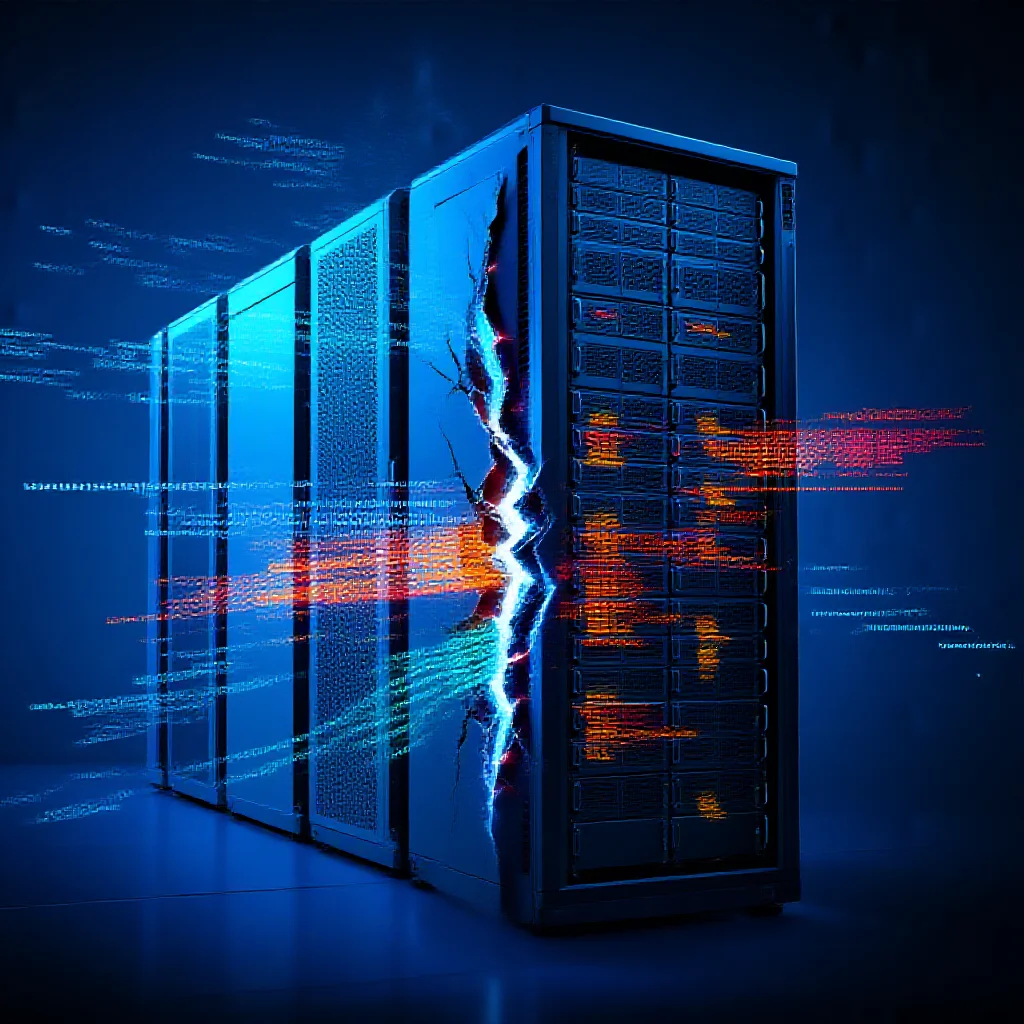
AI-Generated Code: The Hidden Enterprise Risk Accelerating Software Development
Article Date: April 14, 2026
Introduction
The integration of artificial intelligence into software development represents a paradigm shift in engineering velocity. Tools that generate, suggest, and complete code are compressing development cycles from months to weeks. This acceleration delivers immediate competitive and economic advantages. However, a systemic analysis reveals that this velocity is exchanged for the rapid, often unmonitored, accumulation of enterprise risk. The trade-off is not merely one of code quality but of embedded systemic vulnerabilities, governance breakdowns, and long-term economic liabilities that threaten core operational resilience.
The Velocity Trap: Trading Speed for Systemic Risk
The primary economic driver for AI adoption in coding is the quantifiable pressure to accelerate feature delivery and time-to-market. This pressure directly incentivizes the automation of coding tasks. The risk emerges not from the presence of bugs, which exist in all code, but from the structural blind spots this acceleration creates.
AI-generated code typically optimizes for functional correctness in a narrow context, not for overarching architectural coherence, security-by-design principles, or long-term maintainability. The result is a form of compounded "risk debt." Unlike visible technical debt—known shortcuts requiring future refactoring—risk debt is often invisible. It consists of architectural misalignments, inappropriate dependencies, and security antipatterns that are woven into the codebase at machine speed. This debt does not simply incur interest; it introduces latent points of systemic failure that evade traditional code review lenses focused on human logic patterns.
Deconstructing the Black Box: The New Governance Challenge
AI code generation fundamentally disrupts established software development life cycle (SDLC) governance. A primary fracture is the accountability gap. Determining responsibility for AI-generated code—whether it lies with the prompting developer, the AI tool vendor, or the creators of the model’s training data—remains legally and technically ambiguous.
This ambiguity cascades into audit and compliance failures. Traditional SDLC gates, such as code review and change approval, are ill-equipped to audit the provenance and rationale of AI-sourced code. Regulatory frameworks requiring evidence of secure development practices and software bills of materials (SBOMs) cannot account for code generated by opaque models. As noted in joint guidance on software supply chain security, the integrity of development tools is now a critical attack surface (Source 1: NSA/CISA). The inability to maintain a verifiable evidence trail for AI-generated components represents a direct conflict with emerging compliance mandates.
The Long-Term Ripple: Corroding the Software Supply Chain
The long-term implications extend beyond single applications to the integrity of the entire software supply chain. AI-generated code, often pulling from vast and unvetted training datasets, will create dependencies that are fragile, monolithic, and opaque. Ecosystems will become interconnected through components whose internal logic and vulnerability profile are unknown.
This sets the stage for a maintenance time bomb. The future cost curve for debugging, patching, and evolving these codebases will be steep. Human engineers will be tasked with diagnosing and repairing systems whose foundational logic they did not write and may not comprehend. Analyst research on the economic burden of legacy system modernization provides a parallel; the cost of maintaining "AI-legacy" systems—codebases generated rapidly in the 2020s—will likely consume disproportionate IT budgets by the 2030s (Source 2: Gartner/Forrester projections). The initial velocity gain is thus a short-term loan against future operational agility.
Building a Risk-Aware AI Development Framework
Mitigating this risk portfolio requires a shift from ad-hoc prevention to structured resilience. Organizations must integrate AI code risk management into existing DevOps and security practices, creating an AIOpsSec discipline.
Essential pillars for this framework include:
- Provenance Tracking: Mandating immutable logs that trace all AI-generated code blocks to their model version, prompt, and context.
- AI-Specific Testing: Developing and deploying testing suites designed to detect AI-specific failure modes, such as logic drifts, library hallucination, and security antipatterns common in model outputs.
- Architectural Oversight: Establishing governance councils to enforce architectural guardrails and review AI-generated system designs for integration risks.
- The Human-in-the-Loop Imperative: Redefining the developer's role from coder to risk auditor and strategic designer. The developer's primary value becomes validating, contextualizing, and governing AI output within the broader system strategy.
Conclusion: From Technical Debt to Strategic Risk Portfolio
The discourse must evolve from viewing AI code quality as an information technology concern to treating it as a material enterprise risk. The hidden vulnerabilities, governance gaps, and future liabilities embedded by AI acceleration constitute a strategic risk portfolio that demands C-suite and board-level oversight.
The competitive landscape will consequently shift. Ultimate advantage will not belong to the organization that develops software the fastest, but to the organization that can govern AI-assisted development with the highest fidelity. Sustainable velocity will be achieved not by removing humans from the loop, but by strategically deploying them as essential agents of risk management and architectural integrity. The organizations that systematically address the hidden risk debt accruing today will secure resilience and operational advantage in the next decade.