Beyond the Headline: The Strategic Calculus and Global Ripple Effects of Iran''s
Iran's parliamentary proposal to levy a transit fee on oil tankers in the
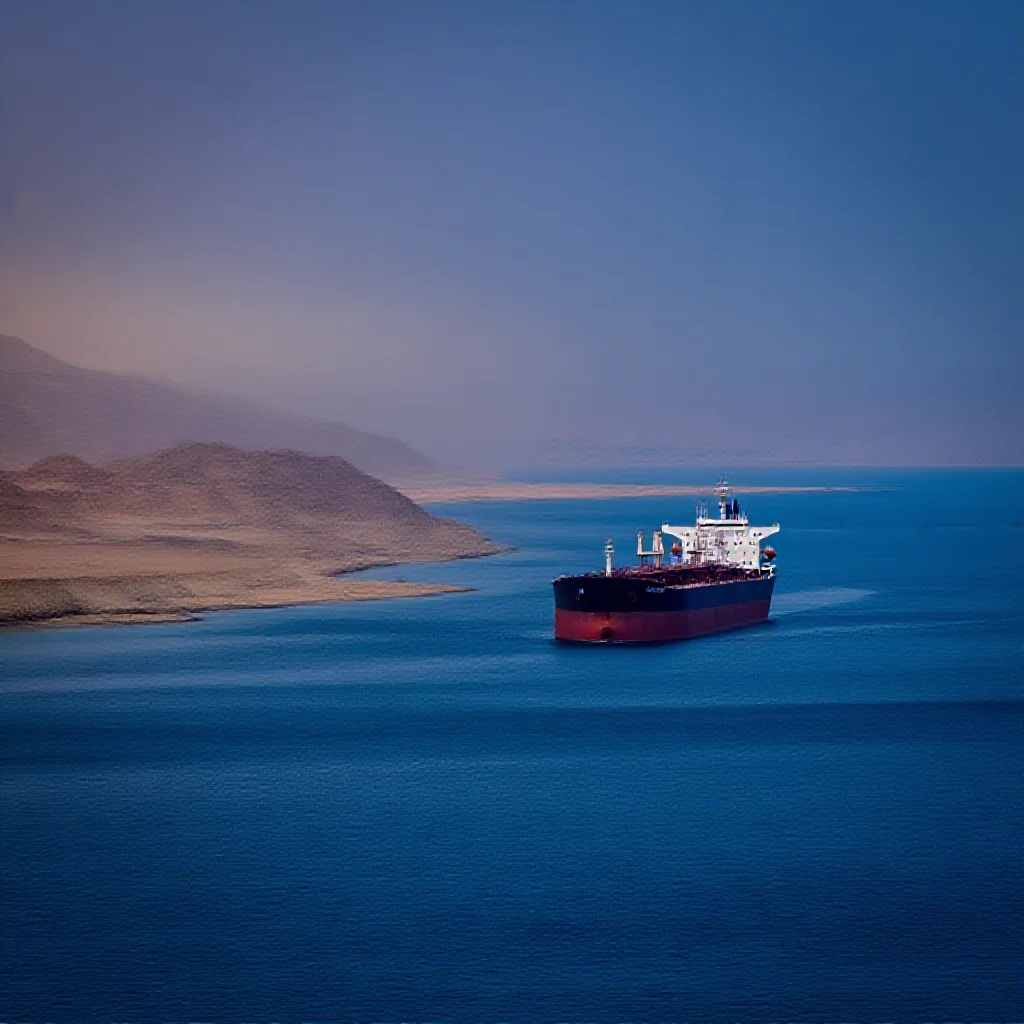
Beyond the Headline: The Strategic Calculus and Global Ripple Effects of Iran's Proposed Hormuz Transit Fee
Introduction: A Fee That Shakes the Foundation of Free Transit
A legislative proposal currently under consideration in the Iranian parliament seeks to impose a transit fee on oil tankers passing through the Strait of Hormuz. The bill, framed by its proponents as a countermeasure to U.S. sanctions, targets the world's most critical oil transit chokepoint, a waterway through which an estimated 20-30% of global seaborne oil passes. This initiative transcends a simple retaliatory revenue measure. It constitutes a strategic test of established maritime law and a deliberate bid to monetize and weaponize a geographic advantage, with profound implications for global energy security.
Deconstructing the Bill: Sovereign Assertion vs. International Law
The proposed legislation mandates a fee for oil tankers transiting the strait, with collected revenues earmarked for Iran's national development fund. For the bill to become law, it must receive approval from Iran's Guardian Council, a key procedural hurdle. (Source 1: [Primary Data])
This proposal creates a direct legal conflict with the United Nations Convention on the Law of the Sea (UNCLOS). UNCLOS guarantees the right of "innocent passage" through territorial seas in straits used for international navigation, expressly prohibiting the imposition of charges on foreign ships merely for passage. Iran, while not a party to UNCLOS, has historically invoked its principles. The bill now represents a pivot, asserting a claim of territorial sovereignty and potentially environmental security as justification for a fee—a move with scant precedent in modern international law for such a vital artery of global commerce.
The Hidden Economic Logic: From Sanctions Evasion to Chokepoint Monetization
The economic rationale extends beyond parliamentary rhetoric. At its core, the bill is an attempt to engineer a novel, sanctions-resistant revenue stream. By collecting fees directly from the users of the corridor—international oil traders and shippers—Iran aims to generate hard currency outside the traditional, dollar-dominated global banking system, which is heavily restricted for Iran due to sanctions.
This move can be interpreted as a formalization of the existing "chokepoint premium." Global oil prices and maritime insurance rates already incorporate a risk premium for Hormuz transit, reflecting the geopolitical volatility of the region. The proposed fee seeks to directly capture and institutionalize a portion of this economic value. The intended destination of the funds—the national development fund—points to a long-term strategic goal: financing domestic infrastructure and projects to reduce systemic vulnerability to external economic pressure.
Ripple Effects: Insurance, Alternative Routes, and Supply Chain Fractures
The implementation of a formal transit fee would trigger immediate recalibrations in global shipping logistics. Maritime insurers would be forced to re-underwrite risk models. A mandated fee establishes a new, quantifiable cost layer and, more significantly, codifies a heightened level of sovereign risk and potential for dispute. This would inevitably lead to increased war risk insurance premiums for vessels transiting the strait, costs that would be passed through the supply chain to consumers.
Such a development would serve as a powerful catalyst for accelerated investment in bypass infrastructure. Pipeline networks across the Arabian Peninsula, such as the existing Petroline and the proposed Iraq-Jordan pipeline, would see renewed strategic and economic viability. Similarly, maritime routes circumventing the strait, including the longer voyage around the Cape of Good Hope, would become comparatively more cost-effective for certain cargoes. This would initiate a gradual but tangible fracturing of the world's most concentrated oil transit route, compelling a reassessment of supply chain resilience.
Conclusion: A New Calculus for Global Energy Transit
The proposed transit fee bill represents a strategic inflection point. Its passage and enforcement are uncertain, hinging on domestic Iranian approval and the scale of international pushback. However, the proposal itself has already altered the strategic calculus.
The move challenges a decades-old norm of unimpeded transit, introducing sovereign cost into the equation for a global commons. It incentivizes a long-discussed diversification of energy export routes, potentially reshaping regional power dynamics by reducing the immediate leverage of all Gulf producers. For global markets, the episode underscores the persistent fragility of concentrated chokepoints and will likely accelerate contingency planning and investment in supply chain redundancy, embedding a higher systemic cost into the price of oil for the foreseeable future. The ultimate impact will be measured not solely in dollars per barrel, but in the enduring reconfiguration of risk assessments for one of the planet's most vital waterways.