Beyond the Red Sea Crisis: How India''s Cargo Diversion Review Signals a Strategic
India's commerce ministry and DGFT are reviewing a proposal to divert cargo
Beyond the Red Sea Crisis: How India's Cargo Diversion Review Signals a Strategic Supply Chain Shift
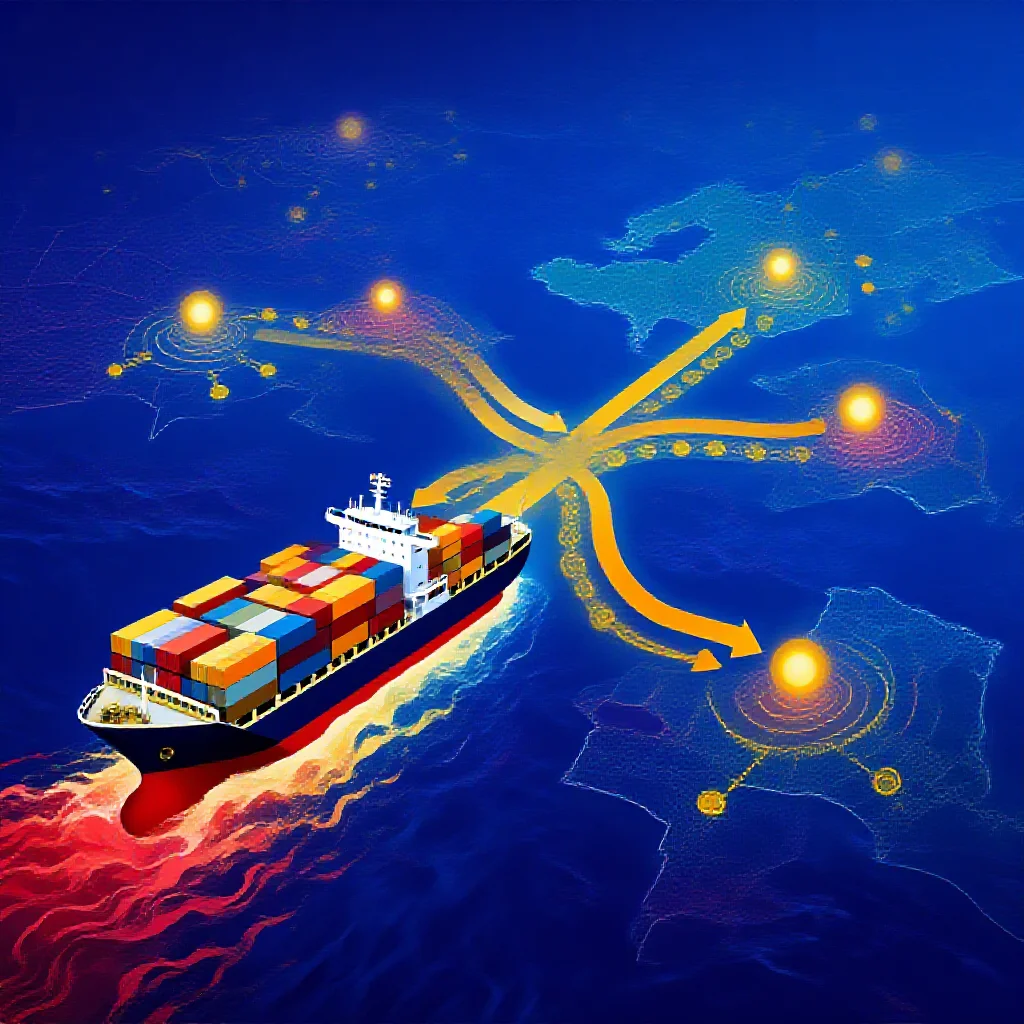
A proposal to divert export cargo stranded for 45-60 days due to Red Sea shipping disruptions to new markets is under formal review by India’s commerce ministry and the Directorate General of Foreign Trade (DGFT) (Source 1: [Primary Data]). This administrative measure, framed as a crisis response, functions as a live stress test for India’s export logistics framework. The review’s implications extend beyond immediate logistical relief, offering a case study in forced supply chain adaptation, exporter risk recalibration, and the exposure of systemic vulnerabilities in contemporary global trade.
The Proposal Unpacked: A Logistical Band-Aid or Strategic Catalyst?
The review’s mandate moves beyond simple administrative approval. It involves creating a legal and regulatory pathway for exporters to redirect consignments originally destined for markets accessible via the Red Sea-Suez Canal route to alternative buyers in different geographical regions. The 45-60 day threshold is a critical data point, indicating a complete breakdown in standard shipping schedules and triggering severe inventory finance stress for exporters.
Operationalizing this diversion presents significant hurdles. These include reconciling shipping bills and letters of credit with new destinations, navigating customs regulations for re-exported goods, and managing the price renegotiations inevitably required with new buyers. The government’s role is to temporarily suspend or modify the regulatory friction that would normally make such mid-journey diversions commercially prohibitive.
The Hidden Economic Logic: Market Diversification Forced by Crisis
The proposal institutionalizes crisis-driven market diversification. Exporters are compelled to identify and cultivate alternative buyers in regions less dependent on the disrupted maritime artery, such as parts of Africa, South America, or other Asian markets. This forced pivot pressures businesses to recalculate long-term trade maps.
A critical cost-benefit analysis underpins the decision to divert. Exporters must weigh the direct costs of diversion—including freight to a new port, potential discounting to new buyers, and administrative overhead—against the compounding costs of indefinite delay. The latter includes demurrage charges, storage fees, contractual penalties for late delivery, and the opportunity cost of frozen working capital. If the diversion cost is lower, the crisis actively rewires trade flows.
The Deep Audit: Supply Chain Vulnerabilities Exposed
The Red Sea disruption and this reactive policy highlight the inherent fragility of lean, optimized global supply chains. The "just-in-time" model, reliant on predictable, single-route maritime transit, proves vulnerable to geopolitical shocks. The 45-60 day stranding period reveals a lack of viable pre-planned rerouting options for many shippers.
The financial contagion is significant. Stranded cargo represents immobilized working capital, directly impacting exporter cash flow and profitability. For small and medium enterprises (SMEs) with thinner financial buffers, this can threaten operational viability. Concurrently, the review serves as a test of policy agility for India’s trade apparatus. The speed and effectiveness of the DGFT and customs systems in facilitating this diversion will set a procedural precedent for responding to future, inevitable disruptions.
The Unseen Entry Point: Redefining 'Cargo' from Asset to Liability
A fundamental perceptual shift occurs when cargo is stranded. Goods in transit rapidly depreciate from being revenue-generating assets to financial and logistical liabilities. Their value is eroded by time, changing market conditions, and the accrual of ancillary costs.
This scenario exposes a potential blind spot in risk management and marine insurance. Standard policies may cover physical loss or damage, but their adequacy in covering losses from protracted geopolitical delay and the specific costs of forced market diversion requires scrutiny. Furthermore, the diversion process generates valuable data. Tracking which goods are successfully redirected, and at what price points in which alternative markets, provides real-time intelligence on demand elasticity and competitive positioning in non-traditional destinations.
Verification and Concluding Analysis
The proposal under review is a documented governmental response to a specific, acute disruption (Source 1: [Primary Data]). Its significance, however, is analytical. It demonstrates how acute logistical crises can function as catalysts for structural trade adjustments.
The neutral prediction for the market and industry is an accelerated investment in supply chain resilience. This will likely manifest in several trends: a recalibration of inventory strategies away from extreme leanness, increased contractual hedging for routing flexibility, and greater government focus on developing trade corridors and agreements that provide geographical diversification. The diversion of stranded cargo is not merely a tactical fix but a visible symptom of a broader, necessary strategic evolution in global trade logistics, where redundancy and optionality are increasingly valued over pure efficiency.