South Asia's Megatrends 2026: Energy Transition, EVs, and Industry 5.0
How South Asia can leverage global megatrends to drive economic transformation and regional integration.
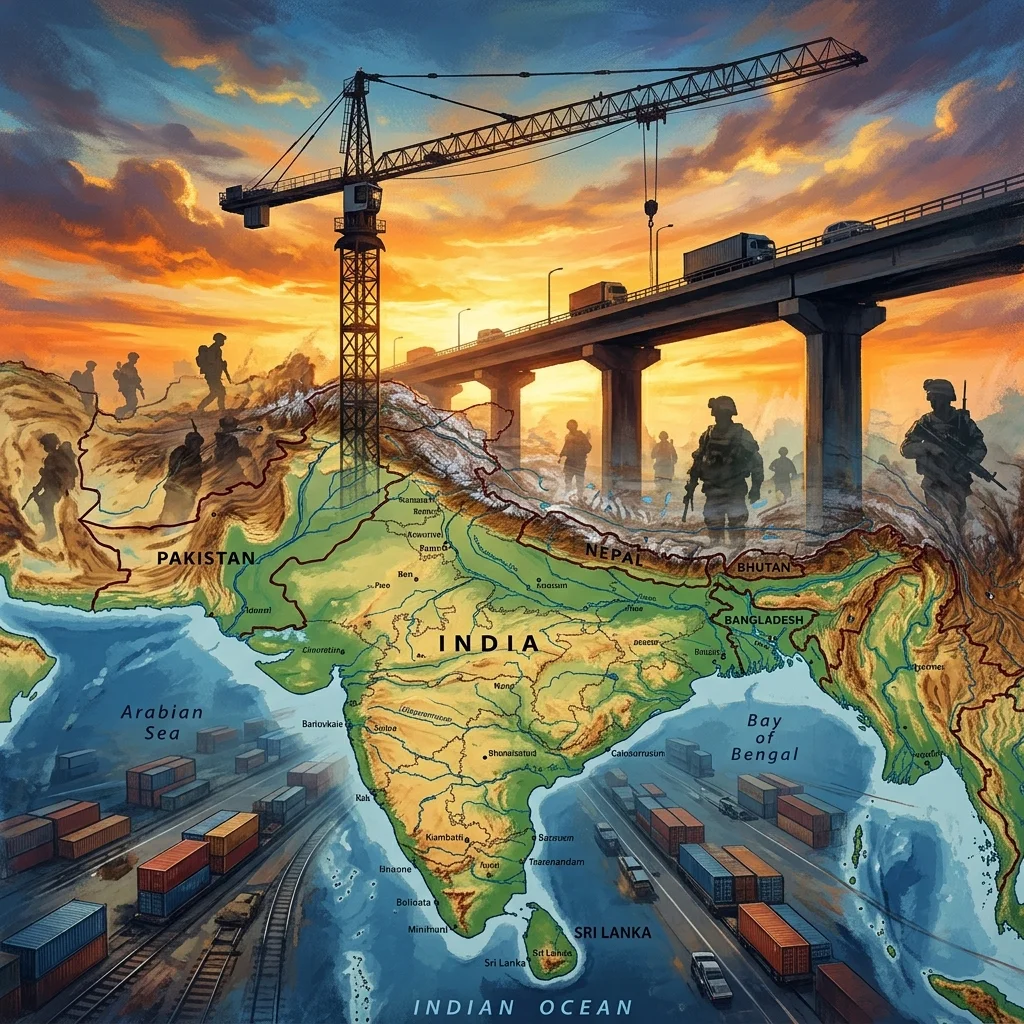
South Asia's Megatrends 2026: Energy Transition, EVs, and Industry 5.0
How regional economies can turn global shifts into competitive advantage
Executive Summary
The global economy is entering a period of profound structural change, driven by climate action, technological innovation, and shifting demographics. In 2024, global investment in the energy transition surpassed USD 2 trillion for the first time, while electric vehicle sales are on track to reach 20 million units annually. Concurrently, the Internet of Things (IoT) and Industry 5.0 are reshaping manufacturing and services, creating both opportunities and risks. South Asia, with its dynamic economies, young workforce, and growing digital adoption, has a unique window to align with these megatrends. This article examines the implications for the region and offers strategic insights for businesses, investors, and policymakers.
Introduction
South Asia is increasingly central to global economic discussions. As supply chains diversify and digitalization accelerates, the region is poised to become a significant player in next-generation industries. The global megatrends of energy transition, electric mobility, IoT, and Industry 5.0 present a strategic opportunity for South Asia to leapfrog legacy systems and build a sustainable, competitive economy. However, capitalizing on these shifts requires coordinated policy action, massive infrastructure investment, and a focus on human capital.
Main Analysis
Energy Transition: A Strategic Imperative
The global energy transition is not merely an environmental necessity but an economic engine. Investment in renewables, grid modernization, and energy storage is growing at double-digit rates. South Asia's energy demand is rising rapidly due to urbanization and industrialization. The region has abundant solar, wind, and hydro resources, yet energy access and reliability remain challenges. By accelerating adoption of renewable energy, South Asian countries can enhance energy security, reduce import dependence, and attract climate finance. Regional grid connectivity initiatives could optimize resource utilization across borders.
Electric Vehicles: From Adoption to Manufacturing
Electric vehicles (EVs) are a defining feature of the new mobility landscape. Global EV sales are expected to hit 20 million in 2025, signaling a paradigm shift in transportation. South Asia is at an early stage, but adoption is rising, especially in India, where EV penetration in two- and three-wheelers is gaining momentum. The shift presents opportunities for local manufacturing, battery production, and charging infrastructure. To fully reap benefits, policies must support the entire EV ecosystem, including incentives for R&D, investment in battery recycling, and regional supply-chain integration.
IoT and the Digital Economy
The proliferation of IoT devices and digital platforms is transforming industries and public services. South Asia has seen rapid growth in digital payments, fintech, and e-government. However, the digital divide remains, and cybersecurity threats are escalating, with global cybercrime damage projected at USD 10.5 trillion. As South Asia's digital infrastructure expands, investments in data centers, cloud computing, and cybersecurity will be critical. The regional push toward data localization and cross-border data flows will shape the digital economy's trajectory.
Industry 5.0: Human-Centric Innovation
Industry 5.0 emphasizes human-machine collaboration, sustainability, and resilience. For South Asia, this means moving beyond basic manufacturing toward smart factories that use AI, robotics, and IoT to enhance productivity. Countries like India and Bangladesh have strong manufacturing bases, but they face pressures from automation and global competition. Investing in advanced manufacturing and workforce upskilling is essential for maintaining competitiveness. Industry 5.0 also aligns with sustainable practices, reducing waste and energy consumption.
Regional Impact
The convergence of these megatrends will have far-reaching effects on South Asia's economy and society.
- Economic Growth: Green industries and digital services can become new growth poles, attracting foreign investment and boosting exports.
- Regional Competitiveness: Early movers in renewable energy, EV manufacturing, and digital infrastructure will gain a competitive edge.
- Industrial Development: Traditional industries like textiles and automotive must modernize to meet global standards and demand for sustainable products.
- Trade Integration: Cross-border energy grids and harmonized digital trade protocols can deepen regional cooperation, though political challenges remain.
- Employment: The transition will create new jobs in renewable energy, tech, and advanced manufacturing, but reskilling is crucial to avoid displacement.
- Infrastructure: Buildings, transport, and energy systems will need massive upgrades, offering opportunities for public-private partnerships.
- Financial Inclusion: Digital financial services can extend access to underserved populations, supporting inclusive growth.
Strategic Insights
For businesses, the key is to innovate and adapt. Companies should invest in digital tools, embrace circular economy principles, and build partnerships across borders. The renewable energy sector offers attractive returns, especially in solar and wind projects. The EV value chain—from components to charging networks—is another promising area.
Investors should focus on long-term trends. Sustainable infrastructure, digital platforms, and advanced manufacturing are set for sustained growth. However, political risk and regulatory uncertainty in some South Asian markets require careful due diligence.
Policymakers need to create an enabling environment. This includes streamlining approvals for renewable projects, providing tax incentives for EV adoption, and investing in cybersecurity frameworks. Regional cooperation is essential—joint initiatives in energy, trade facilitation, and research can amplify individual countries' efforts.
Future Outlook (2026-2030)
Over the next five years, South Asia is projected to experience significant developments:
- Renewable Energy Capacity: India has committed to 500 GW of non-fossil fuel capacity by 2030; other countries are also scaling up solar and wind.
- EV Adoption: With supportive policies, EV sales in the region could grow strongly, particularly in two-wheelers and public transport.
- Digital Infrastructure: Investments in 5G, data centers, and undersea cables will improve connectivity, but cybersecurity will remain a concern.
- Manufacturing: The shift to Industry 5.0 will accelerate, with smart factories emerging in India, Sri Lanka, and Bangladesh.
- Trade and Investment: Regional supply chains for batteries, electronics, and green products could develop, provided trade barriers are reduced.
The transition will not be seamless. Financing gaps, technical skills shortages, and policy fragmentation are among the challenges. Yet the opportunities are immense. South Asia can become a global hub for sustainable manufacturing and digital innovation, contributing to international climate goals while lifting living standards.
Conclusion
South Asia cannot afford to ignore global megatrends. The energy transition, EV revolution, IoT expansion, and Industry 5.0 are redefining economic competitiveness. By strategically aligning policies, investments, and regional cooperation, South Asia can transform these forces into engines of growth and resilience. The next decade will determine whether the region becomes a leader or a follower in the new global economy.
Key Takeaways
- Global investment in energy transition exceeded USD 2 trillion in 2024; South Asia must capture a larger share.
- EV sales are approaching 20 million globally; regional manufacturing and adoption are critical.
- IoT and digitalization offer productivity gains but require cybersecurity investments.
- Industry 5.0 demands human-centric automation and advanced skills.
- Regional cooperation is key for energy trade, supply chains, and digital integration.
Sources
- StartUs Insights, "Megatrends 2026: Energy Transition, EVs, IoT & Industry 5.0", link