The Battle for Military Repair Rights: How Corporate Lobbying Clashes with
A legislative battle is unfolding over who controls the repair of critical
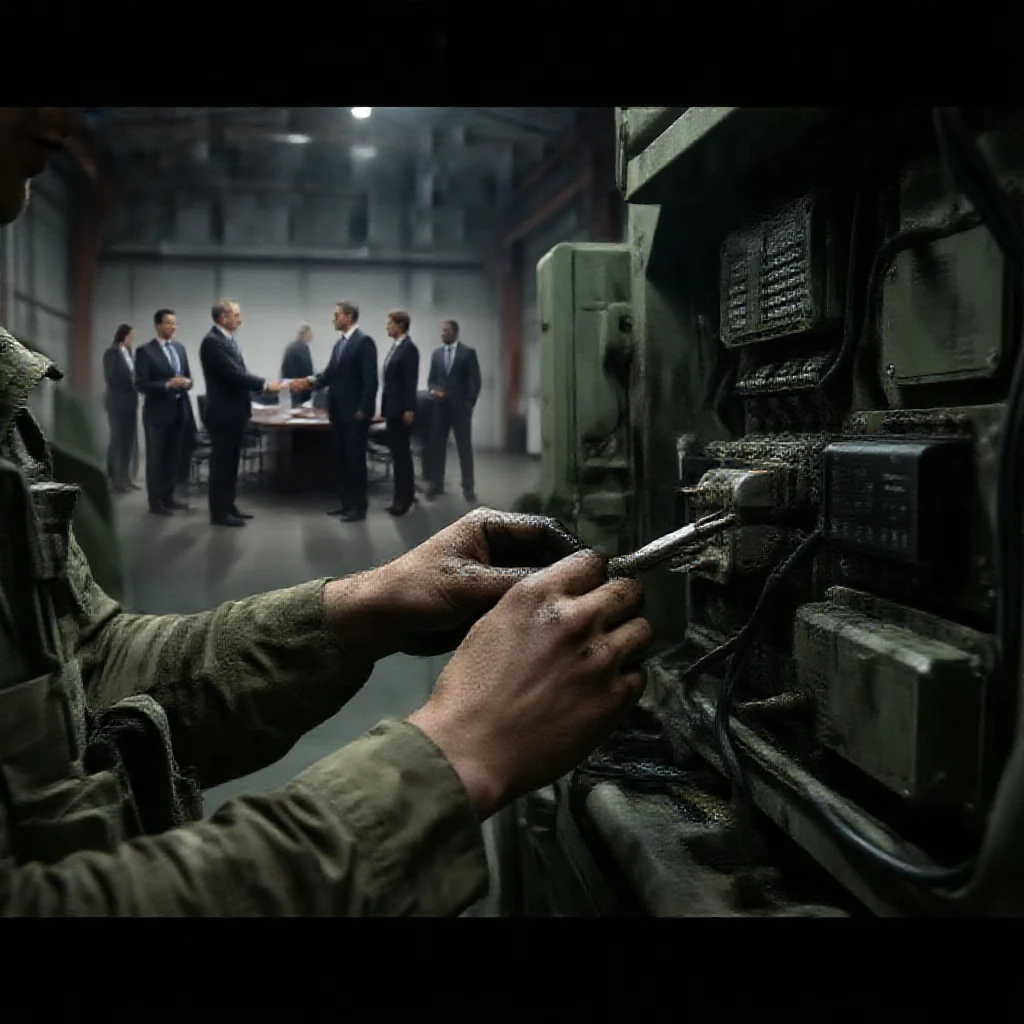
The Battle for Military Repair Rights: How Corporate Lobbying Clashes with Pentagon Readiness
Introduction: The Front Line of a New Policy War
A legislative proposal to grant U.S. military technicians broader authority to repair equipment using third-party parts and tools constitutes a direct challenge to manufacturer-controlled service ecosystems. The debate is structurally framed as a conflict between operational agility and the protection of corporate intellectual property and revenue streams. The core thesis of the legislative shift is not limited to access to repair manuals; it concerns control over the logistical sustainment spine of military operations. The Pentagon has stated that expanded repair rights could improve operational readiness and reduce costs (Source 1: [Primary Data]), while lobbying groups representing original equipment manufacturers (OEMs) are working to block the proposal (Source 1: [Primary Data]).
The Pentagon's Calculus: Readiness, Cost, and Strategic Autonomy
The Department of Defense's support signals a strategic pivot from vendor-dependence toward in-house and third-party repair agility. The operational rationale is rooted in the direct cost of downtime, where repair restrictions demonstrably impact mission capability and degrade training cycle efficiency. A platform awaiting an OEM-certified technician or a proprietary part represents a non-deployable asset. The long-term strategic vision extends beyond immediate cost savings to building a more resilient and adaptable supply chain. In a contested logistics environment, the ability to source parts and perform repairs through multiple, distributed channels enhances strategic autonomy. The legislative proposal would allow military technicians to repair a wider range of equipment (Source 1: [Primary Data]), directly addressing this vulnerability.
The Lobbying Counter-Offensive: Protecting the Service Revenue Model
The opposition from manufacturing lobbying groups is economically logical, centered on defending high-margin after-sales service contracts and parts sales. A common rhetorical framing in this opposition is the "safety and security" argument, which posits that third-party repairs or non-OEM parts could compromise equipment integrity. This pattern is not novel. Historical analysis of similar lobbying efforts in automotive and consumer electronics "Right to Repair" battles reveals an established corporate strategy: leveraging concerns over safety, cybersecurity, and warranty voidance to protect closed ecosystems. The current military-focused lobbying follows this established pattern, adapting the argument to the heightened stakes of national defense.
Deep Audit: The Underlying Economic Logic of Lock-In
The defense sector often operates on a variant of the "razor-and-blades" economic model. Complex platforms may be sold at or near cost, with long-term profitability secured through monopolies on spare parts, software updates, and maintenance services. This lock-in is engineered through proprietary diagnostic software, physical and digital parts serialization, and restrictive licensing agreements. The long-term systemic impact of this model includes the stifling of innovation within the independent maintenance, repair, and overhaul (MRO) sector. It also creates single points of failure within the military supply chain, where a sole OEM becomes the only viable source for sustainment. This dependency represents a significant logistical and strategic risk.
Broader Implications: From Battlefield to Broader Economy
The military repair rights debate functions as a potential precursor and test case for broader national "Right to Repair" legislation. The national security argument provides a compelling, high-stakes framework for examining the vulnerabilities of manufacturer lock-in that extend into agriculture, healthcare, and consumer technology. Over-reliance on a handful of OEMs for critical system sustainment is increasingly analyzed as a supply chain vulnerability. Potential legislative outcomes range from a compromised "hybrid" model with limited exemptions to a landmark shift that empowers government and independent technicians. The trajectory of this policy conflict will likely influence commercial sector negotiations and future regulatory approaches to repairability.
Conclusion: A Conflict of Institutional and Market Incentives
The legislative battle over military repair rights is a structural conflict between institutional and market incentives. The Pentagon's incentive is to maximize platform availability and logistical flexibility while controlling long-term sustainment costs. The OEM's incentive is to protect profitable service revenue streams and maintain control over their product ecosystems. The lobbying opposition is a rational market response to a proposed change that threatens an established business model. The ultimate resolution will hinge on a cost-benefit analysis that quantifies the readiness gains from repair flexibility against the asserted risks of a more open MRO marketplace. The outcome will set a precedent for the balance between proprietary control and operational resilience in defense technology contracting.