The Planned Obsolescence Cloud: How Amazon''s Kindle Shutdown Exposes a Deeper
In April 2026, Amazon's decision to terminate cloud services for older Kindle
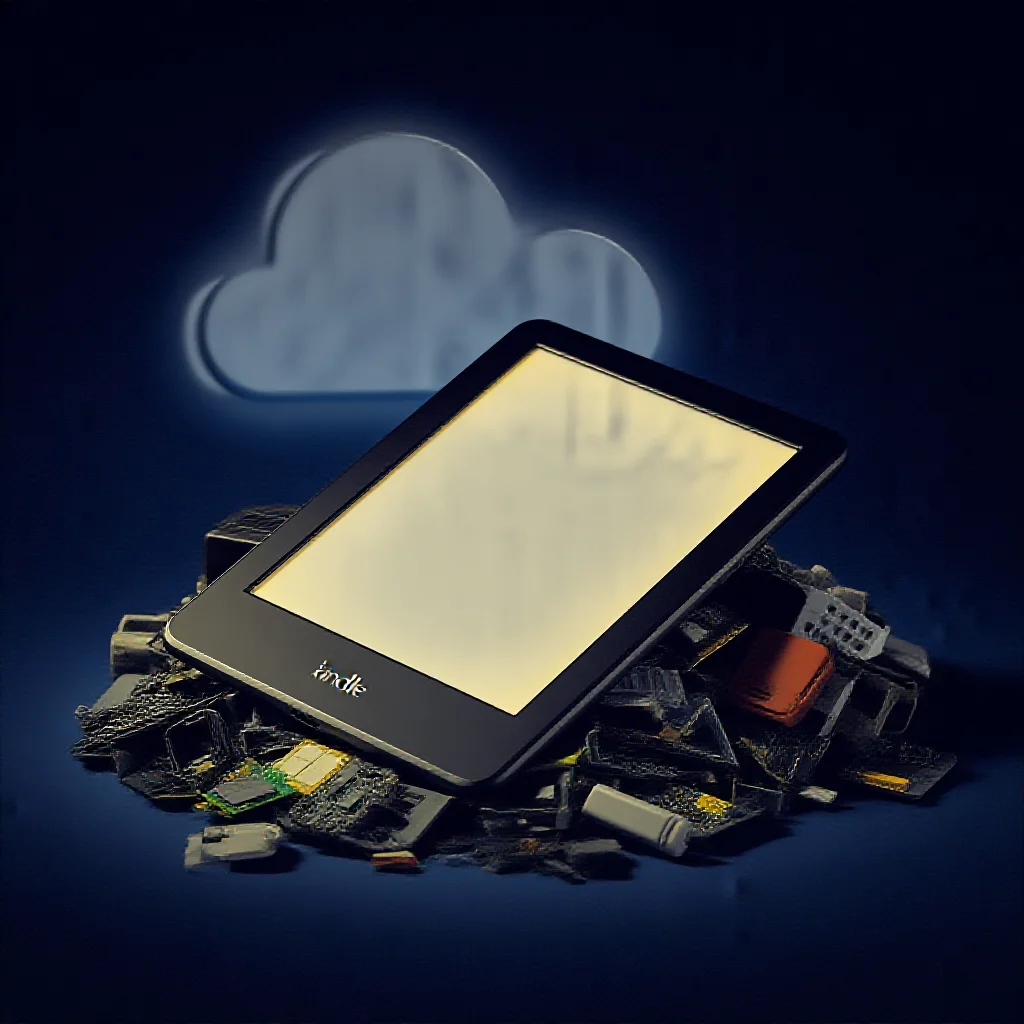
The Planned Obsolescence Cloud: How Amazon's Kindle Shutdown Exposes a Deeper Tech Industry Trend
From Bookshelf to Brick: The Day Functionality Expired
On April 8, 2026, Amazon terminated cloud service support for a range of older Kindle e-reader models. The technical alteration transformed devices with fully operational hardware and batteries into inert objects. Core functionalities, including the ability to download new books, sync libraries, and in some cases, access the device’s core interface, ceased. This event distinguished itself from hardware failure. It was a service-induced termination, where functionality was contingent upon a remote server connection that was unilaterally severed. The operational state of the device became disconnected from its physical condition. (Source 1: [Primary Data Timeline])
!Side-by-side comparison: a working Kindle screen vs. an error message screen after the shutdown

The Economic Logic of Cloud-Locked Obsolescence
The incident demonstrates a calculated shift in corporate revenue models. The traditional economic logic centered on discrete product sales. The contemporary model prioritizes the "service lifecycle," where the physical device is a gateway to recurring revenue streams from content marketplaces, subscriptions, and data services. Cloud dependencies enforce this model by creating predictable upgrade cycles and user lock-in. For Amazon, a cost-benefit analysis likely indicated that maintaining legacy cloud infrastructure for diminishing numbers of older devices was economically inefficient compared to migrating those users to newer hardware or more integrated service tiers. The financial risk of supporting obsolete software and the opportunity cost of not reallocating infrastructure resources are internal corporate calculations that externally manifest as product obsolescence.

Beyond Kindle: A Blueprint for the Entire Tech Industry
The Kindle event is a case study within a broader industrial pattern. Smart home devices, such as security cameras and thermostats, can become inert if their manufacturer’s servers are decommissioned. Gaming consoles see online multiplayer and storefront access discontinued. Smartphones receive finite software support windows, after which security and compatibility degrade. These practices normalize the software-defined product lifespan, where the manufacturer controls the expiration date through digital means. This control is often codified within end-user license agreements and terms of service, which grant corporations the legal right to discontinue services, with relevant clauses frequently obscured in lengthy legal documents.
!A collage of various 'smart' products with cloud icons hovering above them

The Hidden Costs: E-Waste, Consumer Rights, and Digital Ownership
The immediate consequence is accelerated generation of electronic waste. Functional hardware is diverted to recycling streams or landfills, exacerbating environmental toxicity and resource depletion challenges. This dynamic fundamentally erodes traditional concepts of ownership and the "right to repair" movement. Consumers own the physical shell, but not the functionality, which is licensed and can be revoked. The precedent extends beyond consumer inconvenience, posing a long-term risk to digital archives and personal libraries. Cultural and intellectual materials aggregated within proprietary ecosystems face existential threat based on corporate operational decisions.
!Photograph of an electronics recycling center pile, with a Kindle visibly in the foreground

Seeking Solutions: Regulation, Design, and Consumer Choice
Potential regulatory responses are emerging in several jurisdictions. Proposed measures include mandating minimum periods of local functionality post-service termination, requiring transparent disclosure of guaranteed service lifespans at point of sale, and enforcing manufacturer responsibilities for providing "decommissioning" software to unlock basic device functions. In parallel, open-source firmware projects and community hacking efforts represent a technical countermeasure, attempting to resurrect bricked devices by replacing dependency-laden operating systems. From a market perspective, consumer choice remains a lever. Increased scrutiny of product dependency architectures—favoring devices with robust offline capabilities and standardized, interoperable protocols—can shift demand away from highly cloud-locked products. The market’s long-term trajectory will be determined by the interplay between these regulatory, technical, and economic forces.
