Navigating the Supply Chain Complexity in the South Asian Manufacturing Landscape
An analysis of the evolving manufacturing landscape in South Asia, focusing on supply chain resilience, FDI trends, and the strategic role of technology in regional industrial development.
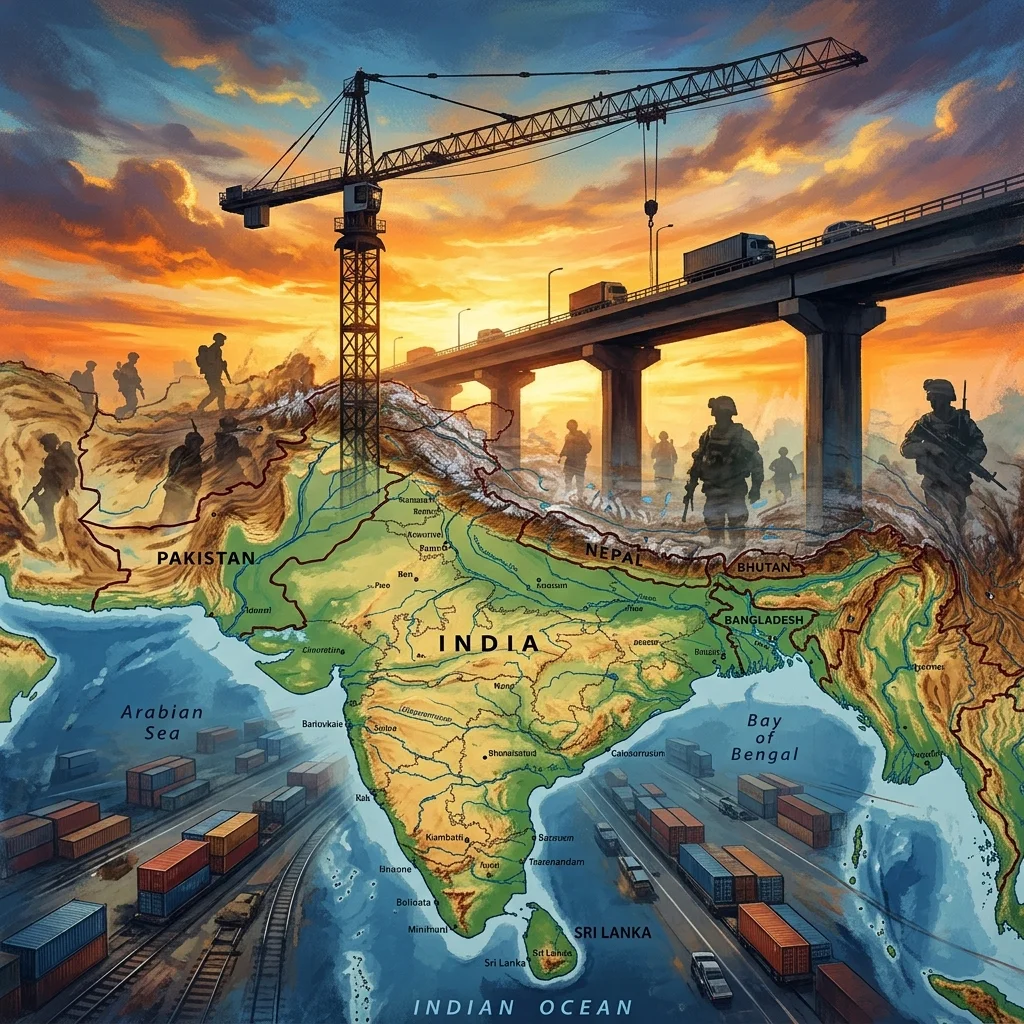
Navigating the Supply Chain Complexity in the South Asian Manufacturing Landscape
The South Asian manufacturing sector is at a critical juncture, balancing potential growth driven by domestic demand and favorable demographic trends against the increasing pressures of global supply chain volatility and the imperative for industrial modernization. Strategic analysis suggests that sustained economic development hinges on effectively managing these dual forces: capitalizing on regional integration opportunities while building the resilience necessary to navigate global economic headwinds.
What Happened
South Asia has seen significant activity in industrial development, particularly in sectors such as textiles, pharmaceuticals, and electronics assembly. Foreign Direct Investment (FDI) has played a substantial role in establishing manufacturing clusters, driven by the search for cost advantages and proximity to large consumer markets. However, the sector remains structurally fragmented. While export-oriented industries demonstrate resilience, many domestic enterprises struggle with scaling operations, technological upgrading, and integrating into sophisticated global value chains. The adoption of advanced technologies, such as Industry 4.0 principles, remains uneven, creating a bifurcation between highly digitized operations and traditional production methods.
Why It Matters
The current state dictates the trajectory for the next decade. The ability of South Asia to secure its position as a reliable manufacturing hub depends on moving beyond simple assembly to deep value addition. This requires strategic investments in digital infrastructure, particularly in supply chain visibility and data analytics, to enhance operational efficiency and competitiveness. Furthermore, policy decisions regarding infrastructure—spanning energy, logistics, and digital connectivity—will determine whether regional integration translates into sustained economic growth or remains characterized by internal bottlenecks.
Regional Significance
South Asia's manufacturing base holds significant potential as a source of goods for both domestic consumption and regional trade. Strengthening cross-border commerce and developing robust trade facilitation mechanisms within SAARC and BIMSTEC frameworks could unlock significant market access. However, success in this area is contingent upon harmonizing regulatory environments and investing in the physical and digital infrastructure required for seamless cross-border logistics.
Business Implications
For South Asian businesses, the core strategic challenge is mastering the 'middle mile' of the supply chain. This involves developing sophisticated business strategies that leverage technology not just for cost reduction, but for risk mitigation and responsiveness. SMEs require targeted support in adopting enterprise technology and accessing specialized financing to enhance their capacity for export and participation in larger multinational supply chains. Corporate strategy must pivot towards building localized, digitized ecosystems that foster innovation and talent development.
Policy Relevance
Public policy must focus on creating an enabling environment for industrial competitiveness. This includes targeted reforms in energy policy to ensure stable and affordable power for manufacturing, investment in digital public infrastructure to support FinTech and e-commerce penetration, and streamlining bureaucratic processes for cross-border investment. Policy interpretation must prioritize supply chain diversification, encouraging businesses to build regional redundancy rather than relying on single points of failure.
Investment Importance
Investment in South Asia is increasingly flowing toward sectors aligned with global trends, such as electronics and specialized components. However, attracting long-term, sustained Foreign Direct Investment requires addressing governance concerns, ensuring regulatory consistency, and demonstrating a clear pathway toward scaling technological adoption, particularly in areas like Artificial Intelligence and automation, to attract venture capital and scale-up funding.