16 Business Trends for 2026: How South Asia Can Stay Ahead
An in-depth look at the 16 business trends set to redefine South Asia's economic landscape in 2026, from generative AI to sustainability, and how the region can leverage them for growth.
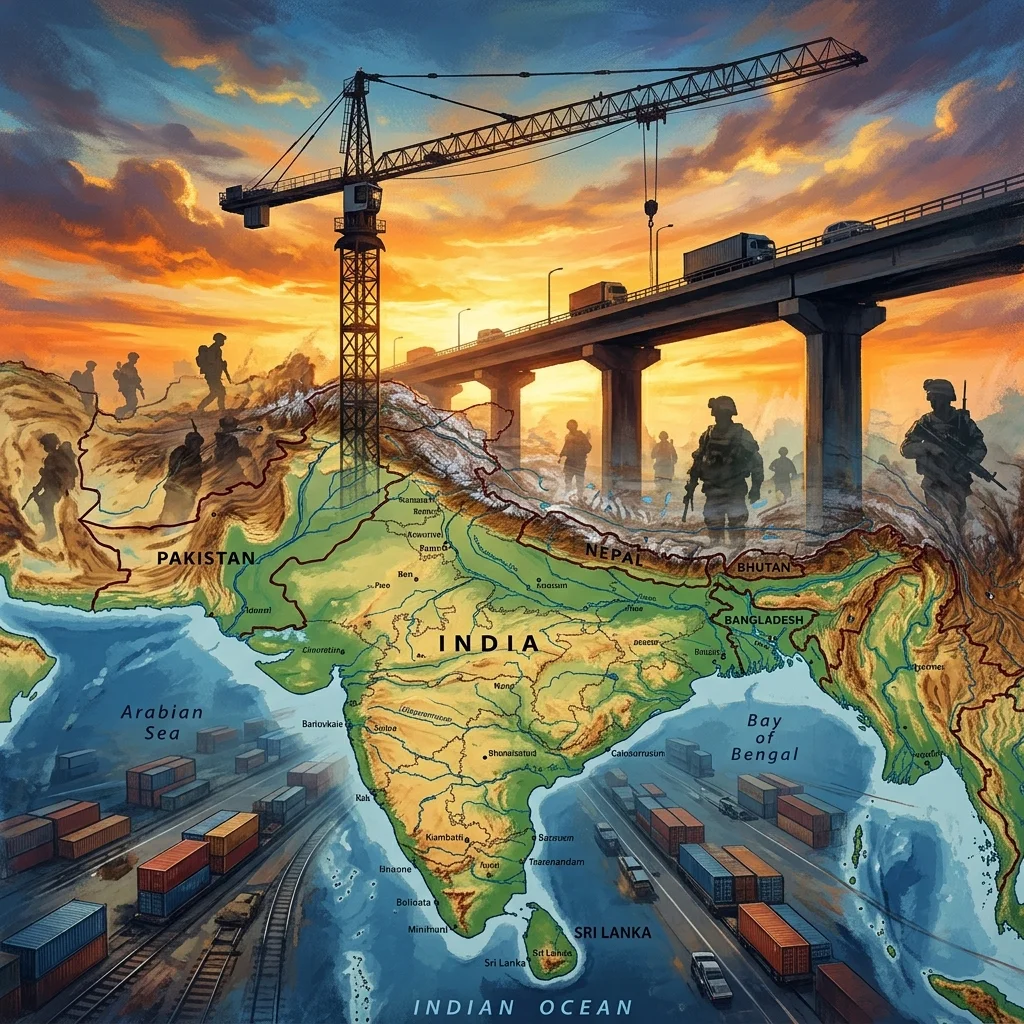
Introduction
As South Asia enters 2026, its economies are being reshaped by a confluence of technological, social, and economic forces. From the rapid adoption of artificial intelligence in India's tech hubs to the expansion of e-commerce in Bangladesh and the push for renewable energy across the region, businesses must adapt to stay competitive. This analysis outlines 16 key business trends for 2026 and their implications for South Asia's economic transformation.
Main Analysis: 16 Business Trends Shaping South Asia
1. Generative AI: A New Engine for Productivity
Generative AI tools are enabling South Asian enterprises—from startups in Bengaluru to textile exporters in Dhaka—to accelerate content creation, product design, and code development. For instance, SMEs are using platforms like ChatGPT to draft marketing materials and generate business proposals. The potential for efficiency gains is vast, but it requires investment in digital infrastructure and upskilling.
2. E-commerce: Crossing Borders and Creating Markets
E-commerce revenue is projected to surge across South Asia, with platforms like Flipkart, Daraz, and Myntra driving growth. This trend is not merely about retail; it's catalysing logistics, digital payments, and last-mile connectivity in underserved regions. For example, cross-border e-commerce is giving small artisans access to global markets.
3. Remote Work and Digital Collaboration
The pandemic normalised remote work, and South Asian firms are now leveraging it to access global talent and reduce operational costs. Countries like India and Sri Lanka have become hubs for remote software development and customer support. This trend is also driving investment in co-working spaces and digital collaboration tools.
4. Demand for Workplace Skills
As AI automates routine tasks, employers are placing greater value on human skills like communication, empathy, and leadership. South Asia's education systems are beginning to emphasise these skills, but there's a gap between supply and demand. Businesses that invest in training their workforce in these skills will gain a competitive edge.
5. Skills-Based Hiring
Forward-looking South Asian companies are moving away from degree-centric recruitment to focus on practical skills. This is especially important in regions where formal education may not align with industry needs. Platforms like LinkedIn are enabling skill assessments, and this trend is opening doors for talented individuals from diverse backgrounds.
6. Sustainable Practices and the Circular Economy
Sustainability is no longer a buzzword; it's a business imperative. South Asian countries are facing environmental challenges, and consumers are increasingly favouring eco-friendly products. Initiatives like the circular economy—designing for reuse and recycling—are gaining traction, particularly in textiles and plastics. Government regulations are also pushing companies toward greener operations.
7. Subscription-Based Pricing Models
Subscription models are proliferating across media, software, and consumer goods. For South Asia, this offers a predictable revenue stream and enhanced customer loyalty. For example, streaming services like Zee5 and Voot have effectively used subscriptions to monetise cultural content. However, businesses must adapt pricing to local purchasing power.
8. Brand Partnerships and Localisation
Collaborations between complementary brands are helping companies expand reach and authenticity. In South Asia, we see partnerships between telecoms and fintech firms, and between local FMCG brands and global giants. These alliances are essential for navigating the region's diverse markets.
9. Expanding Employee Benefits to Retain Talent
With a young and mobile workforce, South Asian companies are enhancing benefits to attract and retain employees. Beyond salary, perks now include parental leave, health insurance, and professional development opportunities. This trend is critical in India's booming IT and startup sectors.
10. Immersive Technologies: AR/VR in Business
Immersive technologies are transforming training, product development, and customer engagement. South Asian companies are using VR for employee training in manufacturing and AR for virtual try-ons in retail. Real estate developers are using virtual tours to attract buyers, particularly in the diaspora market.
11. Diversity, Equity, and Inclusion (DEI)
DEI is gaining recognition as a driver of innovation and performance. South Asia's businesses are increasingly promoting gender diversity on boards and creating inclusive workplaces. This shift is not only ethical but also strategic, as it taps into a broader talent pool.
12. Marketing to Digital-Savvy Gen Z
Gen Z constitutes a large share of South Asia's population. They are digital natives who value authenticity, short-form video content, and social impact. Brands are adapting their strategies to engage this generation, from influencer partnerships on Instagram and TikTok to cause-based campaigns.
13. Personalising Customer Experiences
Using data and CRM tools, South Asian companies are creating hyper-personalised experiences. From targeted offers in e-commerce to customised financial products, personalisation is driving customer loyalty. Banks and fintechs are particularly adept at using transaction data to offer tailored services.
14. Values-Based Marketing
Consumers are increasingly aligning with brands that reflect their values. In South Asia, this means highlighting social responsibility, ethical sourcing, and environmental stewardship. Companies that communicate a clear purpose are building stronger connections with their audiences.
15. Online Community Engagement
Brands are building online communities to foster loyalty and co-create products. In South Asia, this is evident in the rise of dedicated Facebook groups and forums for gaming, hobbyists, and brand enthusiasts. These communities provide valuable feedback and reduce customer support costs.
16. Cybersecurity and Data Privacy
As digital adoption accelerates, so does the threat of cyberattacks. South Asia is a prime target due to its growing digital economy. The regulatory landscape is evolving, with India's DPDP Act and Bangladesh's digital security laws. Businesses must invest in cybersecurity to protect customer data and maintain trust.
Regional Impact
These trends have profound implications for South Asia's economic growth, trade integration, and global competitiveness. Generative AI and e-commerce can boost productivity and exports. Sustainability practices will align the region with global climate goals, potentially unlocking new investment. The rise of remote work and skills-based hiring could accelerate job creation and reduce inequality.
Strategic Insights
For businesses, the key strategic priority is to embrace these trends as part of a comprehensive digital transformation. Investment in upskilling, cybersecurity, and sustainable practices will be critical. Policymakers must create an enabling environment through digital infrastructure, education reform, and regulatory clarity. International partnerships, particularly in technology and finance, will be essential.
Future Outlook
Over the next 3–5 years, we expect these trends to deepen. South Asia will become a major player in the global AI supply chain, with India leading in AI research and Bangladesh in digital manufacturing. The region's young population will drive e-commerce and digital payments to unprecedented levels. To capitalise on these opportunities, both businesses and governments must act decisively.
Conclusion
Navigating the 16 business trends of 2026 is not optional for South Asia; it is a condition for competitiveness. By adopting a strategic and forward-looking approach, the region can turn these trends into engines of sustainable economic transformation.
---
Key Takeaways
- Generative AI and e-commerce are reshaping South Asia's business landscape.
- Sustainability and DEI are becoming strategic priorities, not afterthoughts.
- Skills-based hiring and employee benefits are crucial for talent retention.
- Cybersecurity is a foundational requirement in the digital era.
- Regional cooperation will amplify the benefits of these trends.
---
Sources:
- Coursera: "16 Business Trends for 2026: How to Stay Ahead" - https://www.coursera.org/articles/business-trends
- Additional analysis based on regional economic reports and business publications.