Fuel Switch Crisis: How LPG Shortages Are Driving Up Eid Food Prices & Reshaping
A government directive to oil marketing companies has triggered a severe
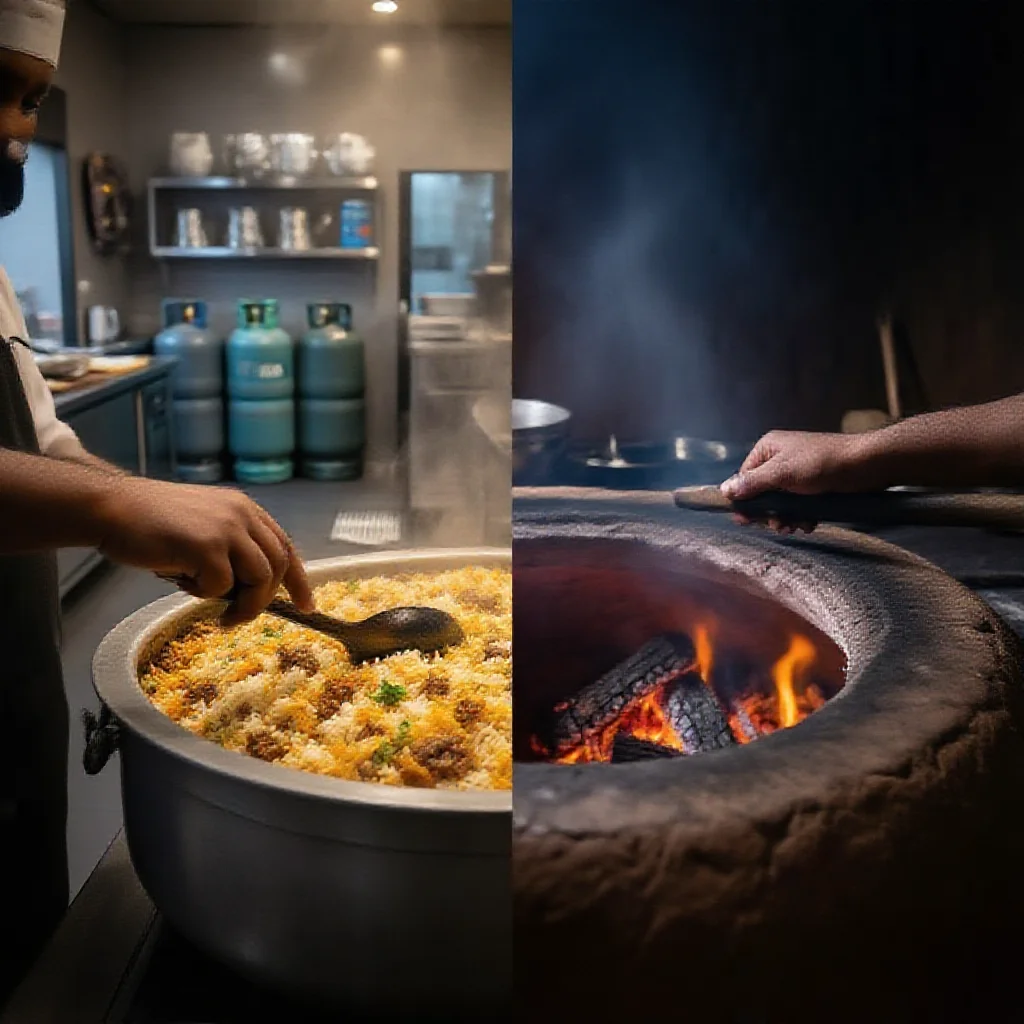
Fuel Switch Crisis: How LPG Shortages Are Driving Up Eid Food Prices & Reshaping Restaurant Economics
A directive from the government to oil marketing companies has precipitated a severe shortage of commercial liquefied petroleum gas (LPG) cylinders. This supply constraint has forced a significant operational shift within India's hospitality sector, as hotels and restaurants transition to alternative fuels such as wood, coal, and charcoal. The immediate consequence is a direct inflationary pressure on food production costs. This pressure is acutely concentrated on fuel-intensive festive cuisine, with iconic dishes like biryani facing substantial price increases during the Eid-al-Fitr period. The crisis has prompted formal intervention from industry bodies, including the All India Restaurant Association, which has written to the government seeking resolution. The situation exposes underlying vulnerabilities in the food service supply chain and necessitates an analysis of the non-linear economic impacts of fuel substitution on restaurant viability and consumer pricing.
The Ignited Crisis: From Government Directive to Kitchen Chaos
The causal chain of the current supply disruption originates with a government directive issued to oil marketing companies. This directive has resulted in a measurable reduction in the availability of commercial LPG cylinders, which are the standard fuel source for professional kitchens. The baseline cost for this fuel, a 19-kg commercial LPG cylinder in Delhi, is established at ₹1,713 (Source 1: [Primary Data]). The shortage has created an operational emergency for restaurants, compelling an immediate and unplanned switch to historically used but largely supplanted fuels: wood, coal, and charcoal. This shift is not a strategic choice but a reactive measure to maintain kitchen functionality, framing the event as a supply chain failure with direct downstream consequences for food production.
The Hidden Economics of Fuel Substitution: More Than Just a Price Swap
The economic impact of this fuel switch extends beyond a simple comparison of per-kilogram fuel costs. The transition to solid fuels like wood and coal introduces a complex array of additional costs that elevate the total cost of cooking. The core economic logic involves a significant "efficiency penalty." Solid fuels generally exhibit lower thermal efficiency and slower heat transfer rates compared to gas, leading to longer cooking times and higher fuel consumption per unit of food produced. This is particularly consequential for dishes like biryani, which require precise, sustained heat over extended periods.
Further cost layers compound the issue. Handling bulk solid fuel requires increased labor for storage, preparation, and fire management. Inconsistent heat output can lead to quality variance, risking product integrity. Many urban establishments may also face compliance costs related to local pollution control norms, which are more stringent for particulate matter from solid fuel combustion. Finally, the supply chain for commercial-grade wood or coal is less formalized than for LPG, introducing reliability risks and potential price volatility. Therefore, the apparent "cheaper" alternative fuel often results in a higher net production cost when all operational factors are accounted for.
Eid and Biryani: A Perfect Storm of Festive Demand and Supply Shock
The timing of the supply shock exacerbates its market impact. The Eid-al-Fitr festival represents a period of peak demand for specific, culturally significant dishes. Biryani, with its fuel-sensitive cooking process, sits at the center of this demand surge. Restaurants operating with impaired, costlier production systems during their busiest period face a severe compression of margins. The increased cost of production, as analyzed through the lens of fuel substitution economics, creates a direct and unavoidable upward pressure on consumer menu prices.
The severity of the issue is formally underscored by the mobilization of industry representatives. The All India Restaurant Association's decision to write to the government functions as a key indicator of systemic disruption, moving the crisis from individual restaurant challenges to a collective industry concern. This action validates the assessment that the cost increases are structural and market-wide, not isolated incidents.
Neutral Market and Industry Predictions
The immediate market prediction is a measurable increase in the price of restaurant food, particularly for fuel-intensive dishes, during the forthcoming Eid festival. This price adjustment is a direct function of the altered production cost structure.
In the medium term, if the commercial LPG supply constraint persists, the restaurant industry may undergo a forced recalibration. Larger chains with capital reserves might invest in dual-fuel kitchen systems or explore bulk procurement contracts for alternative fuels. Smaller, independent restaurants, however, face heightened vulnerability, with potential impacts on menu offerings, operational hours, and overall viability.
The long-term consequence hinges on the duration of the shortage. A prolonged crisis could incentivize permanent shifts in kitchen technology and fuel sourcing strategies within the sector. It also highlights a critical dependency within the food service ecosystem, suggesting that future risk assessments for the industry must factor in energy supply reliability as a core component of operational and financial planning. The resolution of this supply issue will determine whether this event remains a short-term price shock or evolves into a catalyst for permanent structural change in restaurant economics.