Business Trends for 2026: What They Mean for South Asia's Economic Transformation
Analysis of 13 global business trends and their implications for South Asia's economy, business strategy, and regional development in 2026.
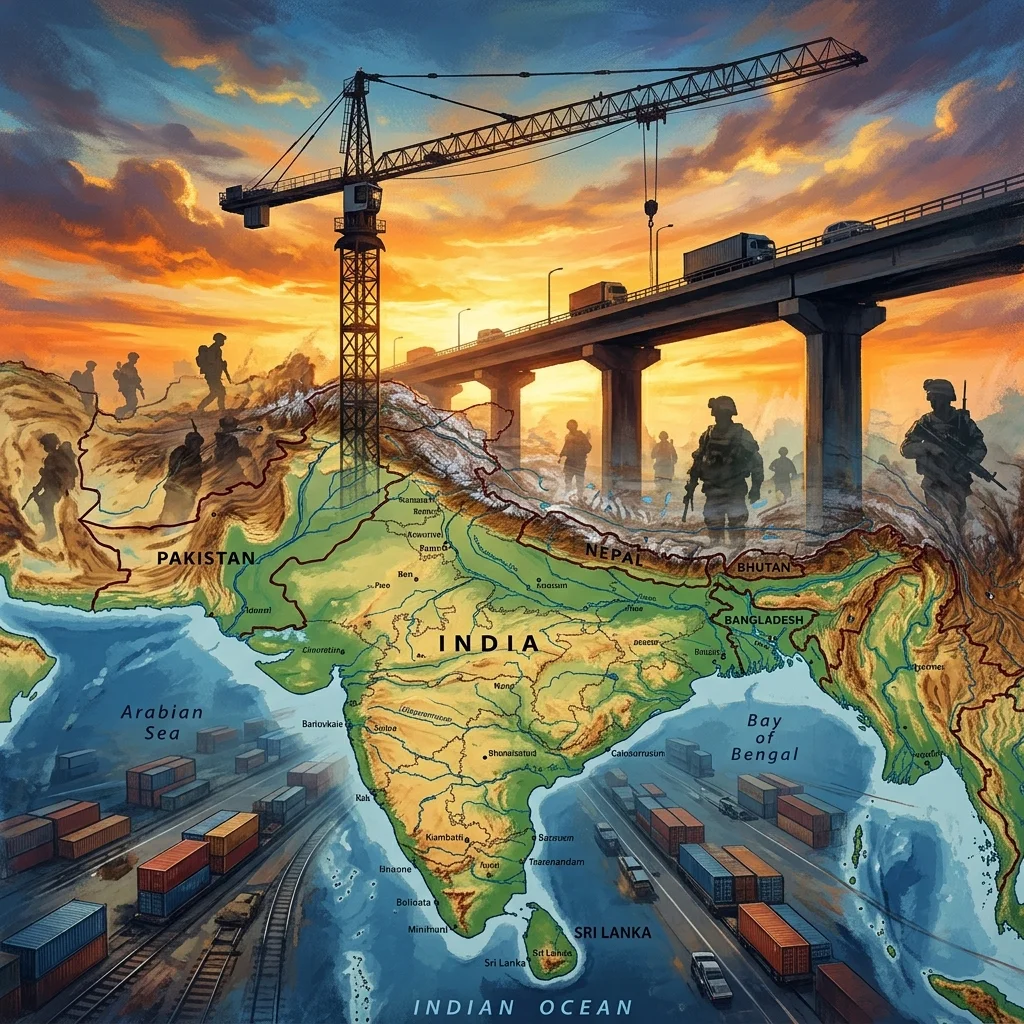
Subheadline
How technological, social, and regulatory forces are shaping the region's business landscape
Executive Summary
The global business environment is evolving rapidly, with trends such as generative AI, e-commerce, skills-based hiring, and sustainability redefining corporate strategy. For South Asia, these trends carry particular significance given the region's large workforce, digital adoption, and expanding consumer markets. This article analyzes thirteen key trends identified by international business observers and assesses their potential impact on South Asia's economic development, regional integration, and global competitiveness.
Introduction
As the world moves toward 2026, businesses across the globe are adapting to shifts in technology, workforce expectations, and market demand. These trends are not isolated to advanced economies; they are reshaping decision-making in emerging markets as well. South Asia—home to nearly a quarter of the world's population and some of the fastest-growing economies—faces both opportunities and challenges in navigating these changes. Understanding how these trends manifest in the region is essential for investors, policymakers, and corporate leaders.
Main Analysis
Generative AI: A New Productivity Frontier
Generative AI has emerged as one of the most promising tools for business transformation. In South Asia, companies are beginning to use AI-driven platforms for marketing, product design, and customer service. The technology offers a low-cost entry point for startups and SMEs to compete with larger firms. However, adoption remains uneven, with infrastructure gaps and digital literacy posing hurdles.
E-commerce: Expanding Consumer Reach
E-commerce continues to grow in South Asia, driven by increasing internet penetration and smartphone use. The reference highlights global revenue projections; similar trends are expected to boost regional logistics and payment systems. Cross-border e-commerce is also gaining traction among South Asian businesses seeking access to global markets.
Remote Work and Digital Learning
The shift toward remote work, initially accelerated by the pandemic, remains relevant. South Asian professionals are increasingly participating in the global remote workforce, contributing to the region's diaspora economies. At the same time, online education platforms are enabling upskilling, though the digital divide remains a concern for rural areas.
Emphasis on Workplace Skills
With AI automating routine tasks, the demand for human skills like communication and empathy is rising. South Asian education systems and vocational training programs will need to adapt to produce graduates with these competencies. Companies are reassessing their hiring criteria to prioritize skills over credentials.
Skills-Based Hiring
The trend toward skills-based hiring is gaining momentum globally, and South Asian employers are starting to follow suit. This shift could improve labor mobility and reduce unemployment among talented individuals without formal degrees. However, it requires robust mechanisms for skill verification and certification.
Sustainable Practices
Sustainability has become a major business priority worldwide. South Asian industries, particularly manufacturing and textiles, face pressure to adopt circular economy principles and meet environmental standards. The reference notes the importance of regulatory compliance; South Asian governments are increasingly implementing policies to curb pollution and promote green investments.
Subscription-Based Pricing
Subscription models deliver predictable revenue and customer loyalty. In South Asia, this model is expanding beyond media streaming to include consumer goods, software services, and even healthcare. Businesses are exploring subscription options to reach a growing middle class.
Brand Partnerships
Collaborative branding allows companies to pool resources and access new markets. South Asian firms are forging partnerships both within the region and with international brands, enhancing their competitiveness. The reference emphasizes aligning values and target markets; this is particularly relevant for firms entering diverse South Asian consumer segments.
Expanding Employee Benefits
To attract top talent, companies in South Asia are expanding benefits beyond traditional compensation. This includes professional development, wellness programs, and flexible work arrangements. Competitive benefits are becoming a differentiator in tight labor markets.
Immersive Technologies
AR and VR are finding applications in South Asia in training, real estate, and retail. These technologies can address infrastructure constraints by simulating environments for education and vocational training. The reference lists examples like 3D modeling and marketing, which are being adopted by forward-thinking regional firms.
Diversity, Equity, and Inclusion (DEI)
DEI is gaining recognition in South Asia, though implementation lags. Companies that embrace inclusivity can benefit from a broader talent pool and better consumer insights. The reference notes positive impacts for business and society; regional firms are beginning to set DEI goals.
Marketing to Gen Z
Gen Z's digital fluency and demand for authenticity are reshaping marketing strategies. South Asia has one of the world's largest youth populations, making Gen Z engagement crucial. Brands are adapting with short-form content and cause-based campaigns.
Personalizing Customer Experiences
Personalization relies on data and customer segmentation. South Asian businesses are increasingly investing in analytics to tailor offerings. However, data protection regulations and consumer trust remain key challenges.
Regional Impact
The adoption of these trends across South Asia is likely to influence economic growth, industrial competitiveness, and trade integration. Generative AI and e-commerce can boost productivity and market access, while sustainable practices can enhance export competitiveness and attract foreign investment. Regional cooperation on digital infrastructure and skills development will determine how evenly benefits are distributed.
Strategic Insights
For business leaders, the trends underscore the importance of agility and digital adoption. Investment in workforce skills and technology will be critical for sustaining growth. Policymakers should focus on regulatory frameworks that support innovation while protecting workers and consumers. International partnerships can facilitate knowledge transfer and capital flows.
Future Outlook
Over the next 3–5 years, South Asia is expected to see accelerated adoption of these trends, particularly in urban centers. Governments and private sector actors will need to collaborate to address infrastructure gaps, promote digital inclusion, and ensure that the benefits of these trends contribute to broad-based economic transformation. The region's global competitiveness will depend on its ability to harness these forces.
Conclusion
The business trends identified for 2026 present both opportunities and imperatives for South Asia. By aligning corporate strategies and public policies with these developments, the region can strengthen its position in the global economy. The key lies in adapting global trends to local realities.