BharatPe''s POS Appointment: A Strategic Pivot in India''s Offline Payments
BharatPe's appointment of Himanshu Verma to head its Point-of-Sale (POS)
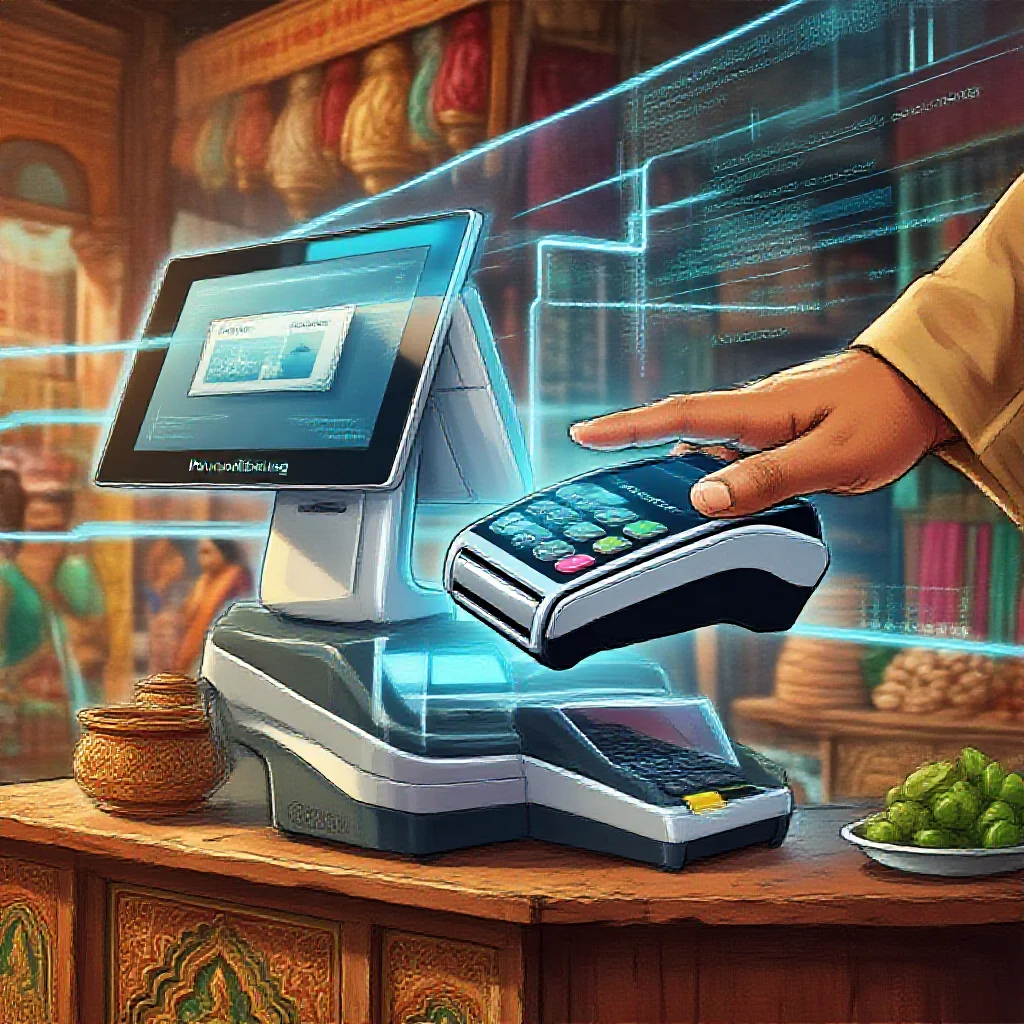
BharatPe's POS Appointment: A Strategic Pivot in India's Offline Payments War
Opening Summary
On March 19, 2026, BharatPe announced the appointment of Himanshu Verma as Head of its Point-of-Sale business. The stated objective is to scale the company's offline payments operations. This leadership change constitutes a strategic inflection point, signaling a deliberate corporate pivot toward capturing India's vast, under-digitized offline merchant base.
Beyond the Headline: Decoding the Offline Gambit
The appointment of a dedicated business head for POS operations is a surface-level organizational update. The underlying economic logic is a calculated shift in resource allocation. The peer-to-peer and online merchant segments of India's Unified Payments Interface ecosystem are approaching saturation, characterized by intense competition and negligible transaction fees. The hunt for sustainable, diversified revenue streams has become urgent for fintech firms.
The offline merchant ecosystem presents a different profile. It is fragmented, under-penetrated by sophisticated digital tools, and generates higher average transaction values compared to typical UPI payments. A physical POS terminal is not merely a payment acceptance device; it becomes a primary gateway for capturing granular, high-value data on merchant cash flow, inventory turnover, and customer purchase patterns. This data asset is critical for building sticky, multi-product relationships beyond simple payment processing.
The POS as a Strategic Asset, Not Just a Tool
The modern POS terminal is evolving from a transaction facilitator to a merchant relationship hub. Integrated systems enable a suite of services: real-time lending decisions based on transactional history, basic inventory management, and customer analytics for loyalty programs. Owning this physical touchpoint provides BharatPe with unparalleled insights into business health and creditworthiness. This data moat is deeper and more defensible than data gleaned from an app used intermittently for QR-code-based payments.
This strategy also serves as a countermeasure against broader-based rivals. Companies like Paytm and PhonePe have massive consumer-facing digital wallets. A concentrated offensive in the offline merchant segment allows BharatPe to carve a distinct niche, embedding itself deeper into the operational workflow of small and medium businesses. The POS terminal becomes the anchor for a comprehensive merchant-centric platform.
The Appointment in Context: A 'Slow Analysis' of Market Forces
This development is not a subject for transient news analysis but for a slow, structural audit of industry vectors. It aligns with documented trends in India's financial digitization. Reports from institutions like the Reserve Bank of India and consultancies such as BCG have consistently highlighted the significant digitization gap among India's millions of offline merchants. The growth trajectory in merchant-focused fintech solutions is steep.
The long-term implications extend beyond payments. Empowering small merchants with smart POS systems can generate data that eventually streamlines upstream supply chain operations. Insights into inventory depletion patterns can inform B2B commerce and logistics, creating efficiency gains across the retail value chain. This appointment is a single move within a larger reconfiguration of commerce infrastructure.
Challenges and the Road Ahead for BharatPe's Offline Play
The strategic rationale is clear, but the execution presents a formidable minefield. Scaling a hardware-intensive POS business involves complex logistics, supply chain management, and after-sales service across a geographically dispersed and fragmented market. BharatPe must compete not only with fintech rivals but also with established bank-backed POS providers and a legacy preference for cash.
The unit economics of hardware deployment and merchant acquisition will be scrutinized. Success will be measured not by terminal deployment numbers alone, but by the activation rate and the depth of ancillary service adoption—particularly high-margin products like merchant loans. The company's path to profitability will likely hinge on converting this offline footprint into a profitable, data-driven financial services platform.
Neutral Market Prediction
The appointment of Himanshu Verma to lead BharatPe's POS division is a confirmatory signal of the offline merchant segment's rising strategic priority in Indian fintech. It will precipitate intensified competition for merchant acquisition, with a focus on bundling hardware with software and financial services. The next phase of competition will be characterized by integrated solutions rather than discrete payment options. The performance of this offline gambit will serve as a critical case study on whether deep vertical integration with merchants can create a sustainable competitive advantage in a market dominated by horizontal, consumer-focused platforms.